
Learn everything there is to know about a candidate through a background check
Executive background investigations and background checks can reveal all answers to questions like these: Does the prospective new executive or board member's résumé contain any gaps? And if so, why? What are they not disclosing? Are they showing any signs of deception in an interview?
A senior appointment is one of the few decisions where the cost of being wrong keeps compounding after you discover the error. An executive background check establishes what you are taking on — before the offer, while declining is still a decision rather than an incident.
Common areas of inquiry
Why background investigations matter for your organization
Why organizations run these checks varies by geography, industry, client base and size, but the reasons cluster into a few:
- Risk Mitigation: Executives have significant influence over a company's strategy, finances, and operational integrity. A thorough background check helps mitigate risks associated with fraud, embezzlement, and other misconduct that could harm the company's reputation and financial health.
- Trust and Reliability: Executives often handle sensitive information and make critical decisions. Background checks ensure that these individuals are trustworthy and reliable, minimizing the risk of information leaks or decision-making influenced by undisclosed conflicts of interest.
- Regulatory exposure: In regulated industries — financial reporting, data protection, workplace safety — the appointment itself can be a compliance event. Knowing an executive’s record before appointing them is considerably cheaper than explaining it afterward.
- Cultural Alignment: An executive's values and behavior should align with the company's culture and values. Background checks can reveal aspects of a candidate's personality and past behavior that indicate whether they will positively contribute to or disrupt the company culture.
- Public Confidence: Public perception can significantly impact a company's success. Executives with a questionable background can damage a company's reputation, affecting customer trust and investor confidence.
The purpose is not to disqualify people. In most engagements the finding is that the candidate is what they appear to be, which is itself worth paying for — it converts an assumption into something the board can record as checked.
Many organizations also opt to use a similar process for their board members and other influential non-employees.
How Falcone International can help with your executive background investigations
We will acquire, analyze, and contextualize the background data you require to make an informed decision, such as:
- Public records: Was anyone suing them? Has anyone they work with been sued by them? Do they frequently file lawsuits?
- Criminal records: Have they ever been accused or found guilty of a crime?
- Financial background: Have they ever filed for bankruptcy? Do tax liens exist? Is there potential for leverage or control over them by others because of their finances?
- Verification of qualifications: Are they adequately licensed professionals? Are the licenses still in effect? Do they hold the degrees they claim to have?
- Media overview: What have the media been saying about your potential new executive or board member? What sort of presence do they have online?
- Reputation: What are people's opinions of their leadership abilities and business savvy? To maintain your relationship with the candidate and guarantee unbiased feedback, working with a third party is frequently preferable to conduct reference interviews.

While document checks and OSINT (Open Source Intelligence) research can reveal a lot about a candidate, personal conversations with trained professionals can test and verify information that was submitted or gathered in a whole new light.
Learning from the best: Executive background investigations in organizations with a national security mandate
Clandestine and intelligence organizations employ highly specialized methods for vetting candidates for high-profile positions and security clearances. One of the key techniques used is the strategic analysis of personal conversations. Agents trained in psychological assessment and espionage tactics subtly engage candidates in conversations designed to reveal key personality traits, loyalties, and potential vulnerabilities. These interactions, often appearing as casual and unrelated to work, are meticulously planned and executed to uncover hidden aspects of a candidate's character and past.
The agents focus on eliciting responses that might indicate a propensity for risk-taking, susceptibility to blackmail, or ideological inclinations that could compromise their effectiveness or loyalty. They pay close attention to non-verbal cues, such as body language and facial expressions, to detect any inconsistencies between a candidate's words and their true feelings or intentions. This process is integral to ensuring that individuals granted access to sensitive information are thoroughly vetted not just for their professional qualifications, but also for their psychological and moral integrity. This depth of analysis helps maintain the high standards of trust and reliability expected in positions of national security.
What civilian organizations can borrow from this
Companies and NGOs can borrow the method, within a narrower legal frame. It is worth the effort for any role carrying access to sensitive information, financial assets, or strategic decision-making authority.
The first borrowing is the interview itself. Beyond qualifications and experience, behavioral and situational questions show how someone decides under pressure, where their ethical lines actually sit, and how they behave in conflict. What the interviewer is listening for is consistency — between answers, and between the answers and the record.
Seldom done, always a good idea: Following up with references
The second is talking to people. Verifying academic and professional history establishes the facts; former colleagues and counterparties establish the pattern. Within privacy law and ethical limits, those conversations reveal how someone handled confidential information, whether their standards held when nobody was checking, and how they behaved when a decision went against them.
Analyzing a candidate’s social media activity often reveals surprising and important information
The third is the public digital record: interests, stated opinions, and associations. This has to stay inside legal and ethical limits, and inside the limits of relevance — the question is exposure to the organization, not whether you would enjoy the person’s company.
Used together, these methods answer a narrow question well: is this person who they present themselves to be, and is there anything in their history that would change the decision if you knew it?

Running a rigorous background investigation process for key or senior members of the management team also creates trust among their teams as the likelihood of an executive's values and behavior being aligned with the company's culture and values is much higher.
Why conduct an executive background investigation or background check?
You can benefit from executive background checks in various ways. For example, you can confirm the candidate has the background they say they have, warning you of any potential gaps in the candidate's background or determining whether there are any warning signs you should take notice of.
Our skilled investigators know how to sift through public records and other data sources to obtain the information you require. Falcone International can provide you with the authorization and disclosure paperwork needed to get the process going quickly and effectively.
We conduct executive background checks both domestically and internationally, so no matter where you are or where your prospective new hire is from, Falcone International can be of assistance.
Make a confident decision by working with Falcone International for an executive background investigation and knowing you have all the information.
How the engagement runs
Appointments run to a hiring timetable, so scoping decides what is achievable.
The corroboration stage is what a compressed timetable squeezes, and it is the one that must not be squeezed. An allegation found online is a lead; reporting it as a finding is how screening does harm.
Straight answers
Are the certifications real?
Verifiable, and checked less often than you would expect. Overstated credentials are far more common than fabricated ones, and the overstatement is usually in seniority or scope rather than in the qualification itself.
Has the candidate been affiliated with something untoward?
Where it exists, it typically surfaces in regional press, regulatory records or civil litigation before it appears anywhere a standard screening database looks. Searching in the languages of the markets they worked in is what makes the difference.
Do references check out?
Offered references almost always do. The useful conversations are with people the candidate did not nominate — former reports, counterparties, and colleagues from roles that ended awkwardly.
What about signs of deception in interview?
Treated as a prompt to verify something specific, never as a conclusion. Anyone selling certainty from an interview is overselling.
How fast can this be done?
Serious adverse information can usually be found and corroborated in days. Establishing that somebody is clean takes human sources and weeks — a different question, and worth being explicit about which one you are buying.
Get in touch about Executive Background Investigations
Let us talk about your Executive Background Investigations needs. We are here to help and are happy to give a non-binding and confidential assessment of your case and course of action. Contact Falcone International today for expert assistance.
Further reading
Selected from our Book of the Month series for their bearing on this service.
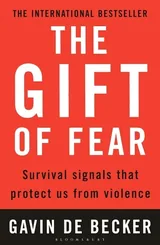 The Gift of Fear
De Becker’s chapters on manufactured trust, forced teaming and the unsolicited promise describe how confidence gets engineered rather than earned. Those are the behaviors that matter most in an executive assessment, and they never appear in a document check.
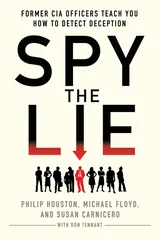 Spy the Lie
The interview is usually the highest-value hour in a background investigation, and this is a trained method for reading it. Former CIA officers set out what deceptive responses look like and, just as usefully, what they do not.
 Billion Dollar Whale
Jho Low’s rise was built almost entirely on a compelling personal story that sophisticated institutions accepted at face value, repeatedly. It is the strongest argument we know of for verifying a biography rather than admiring it.