
Asset tracing: how investigators follow the money, and what the courts can order
How asset tracing works: how assets are hidden, the records investigators use, court orders in England and Wales, the US and the EU, and recovery rates.

Investigations, risk analysis, case studies and book reviews from Falcone International.
How asset tracing works: how assets are hidden, the records investigators use, court orders in England and Wales, the US and the EU, and recovery rates.

Andrew Roberts read George VI's wartime diary. What his 1,100-page Churchill gets right about judgment — and where its interpretations remain contested.
How to assess political risk in four stages: scope your exposure, source the evidence, test what holds and what breaks, and monitor the right indicators.
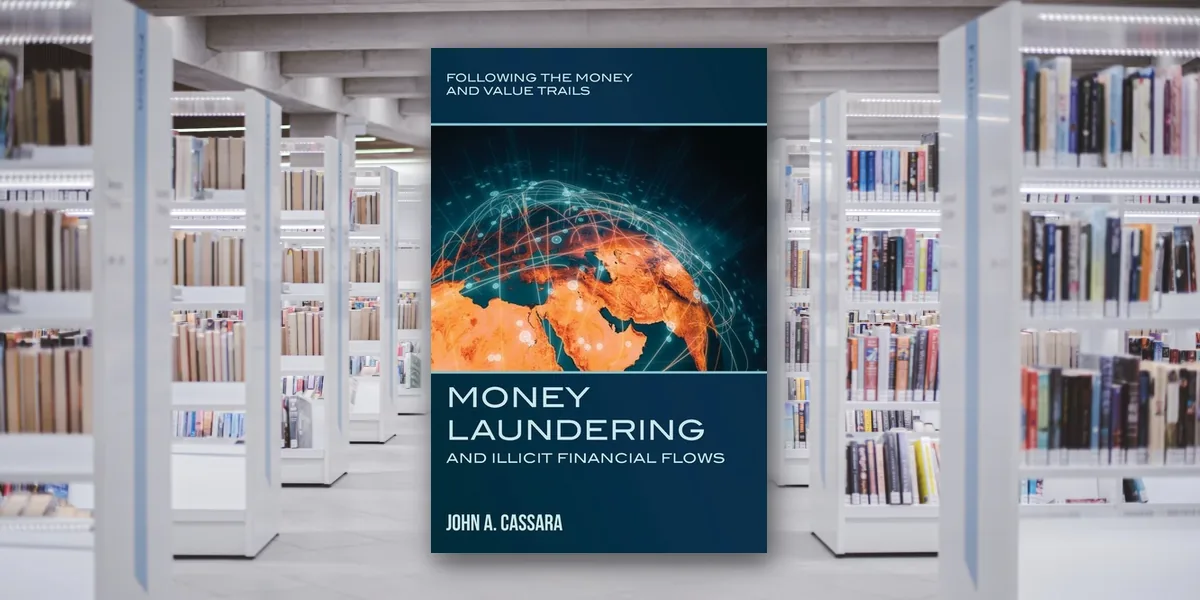
Explore ten books on money laundering and financial crime, a UK CFO case study, and practical guidance on due diligence and financial investigations.
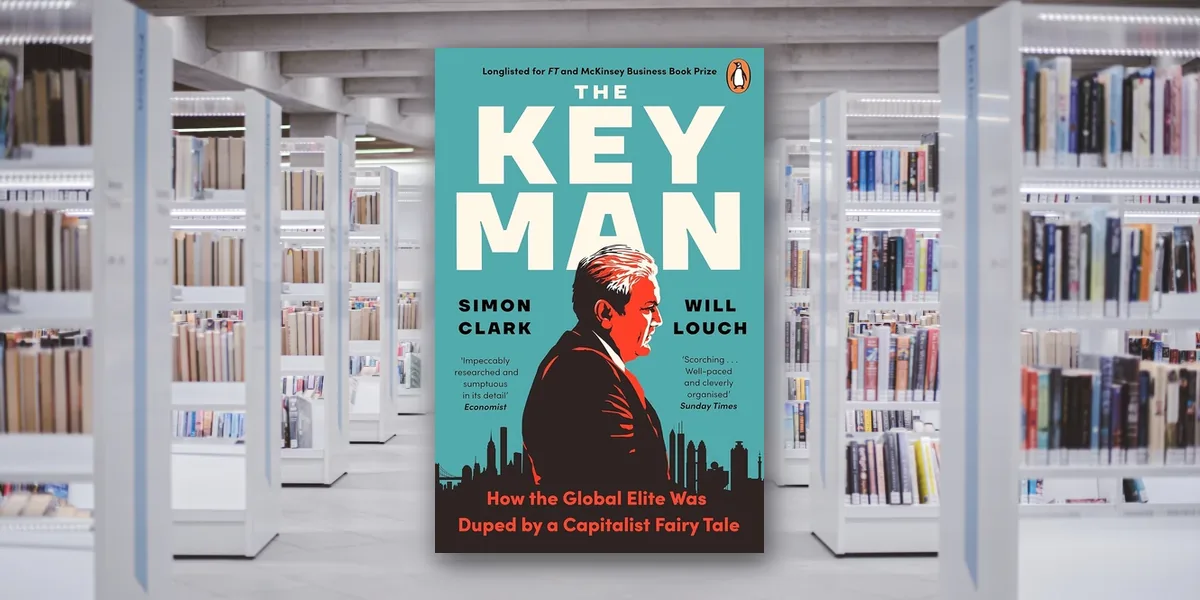
A summary of The Key Man by Simon Clark and Will Louch: Arif Naqvi, the Abraaj collapse, and how a persuasive story stood in for investor due diligence.
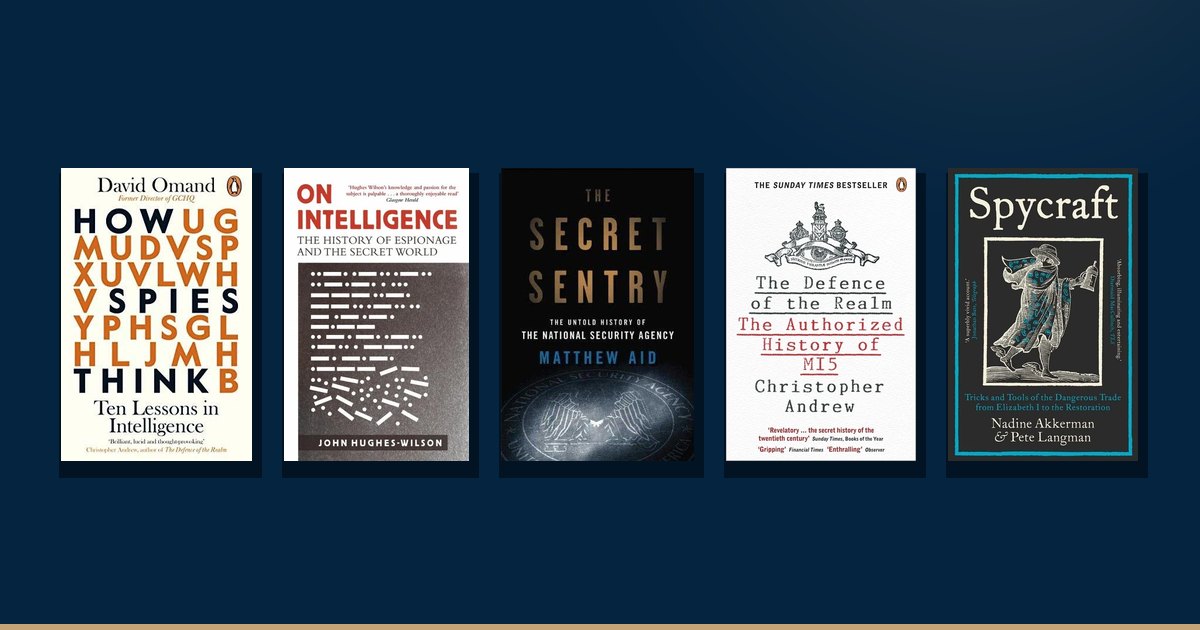
Fifteen non-fiction books on intelligence and espionage, from Omand's How Spies Think to histories and memoirs of the NSA, MI5 and BND, grouped by what each teaches.
AIF reported on Tobias Jaeger’s 8 September 2026 cybersecurity keynote and boardroom discussion in Amsterdam, followed by Sijthoff publication coverage.
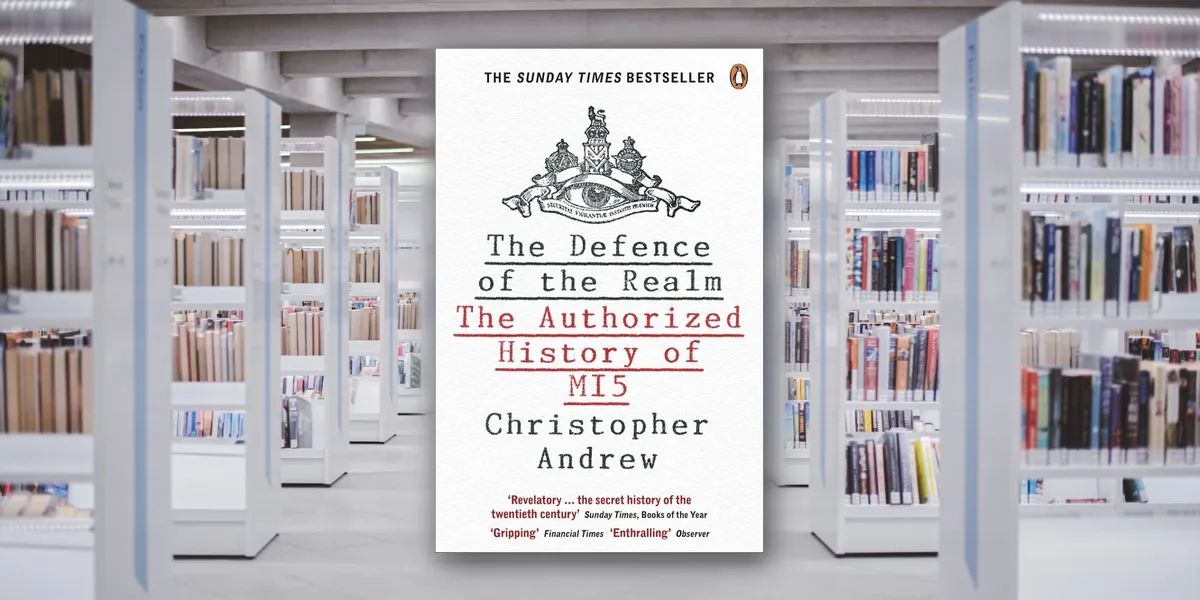
Christopher Andrew's authorized centenary history of MI5, and what a century of counterespionage shows about oversight, institutional learning and judgment.
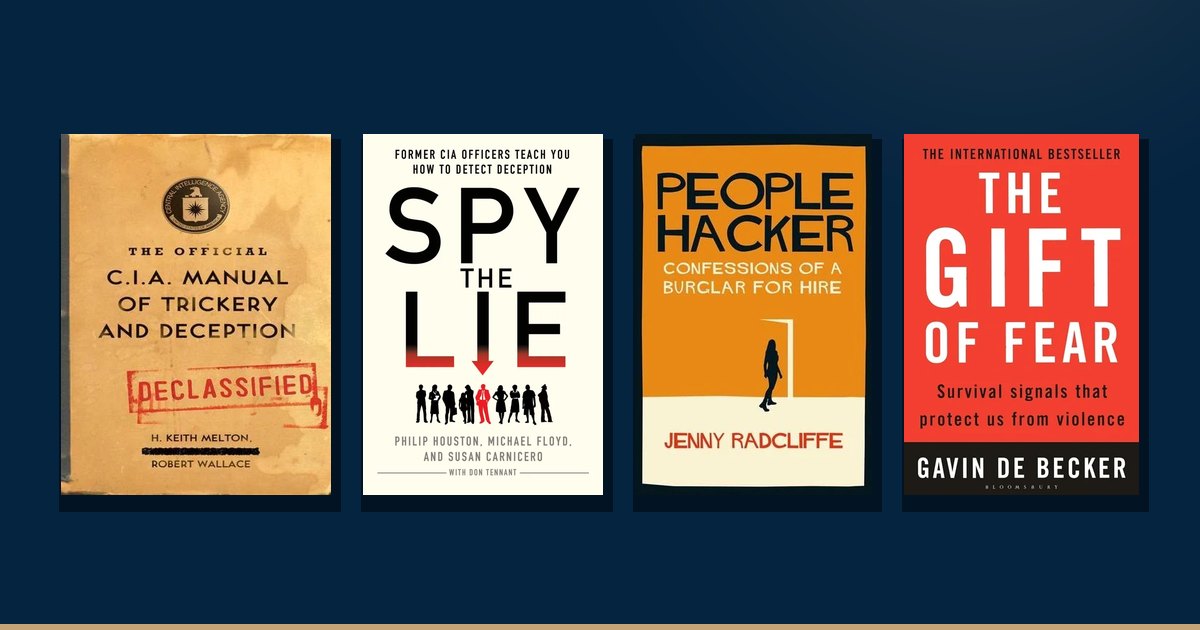
Seven books investigators read on deception and social engineering, from the CIA trickery manual to Spy the Lie, with pretexting and tailgating defined.
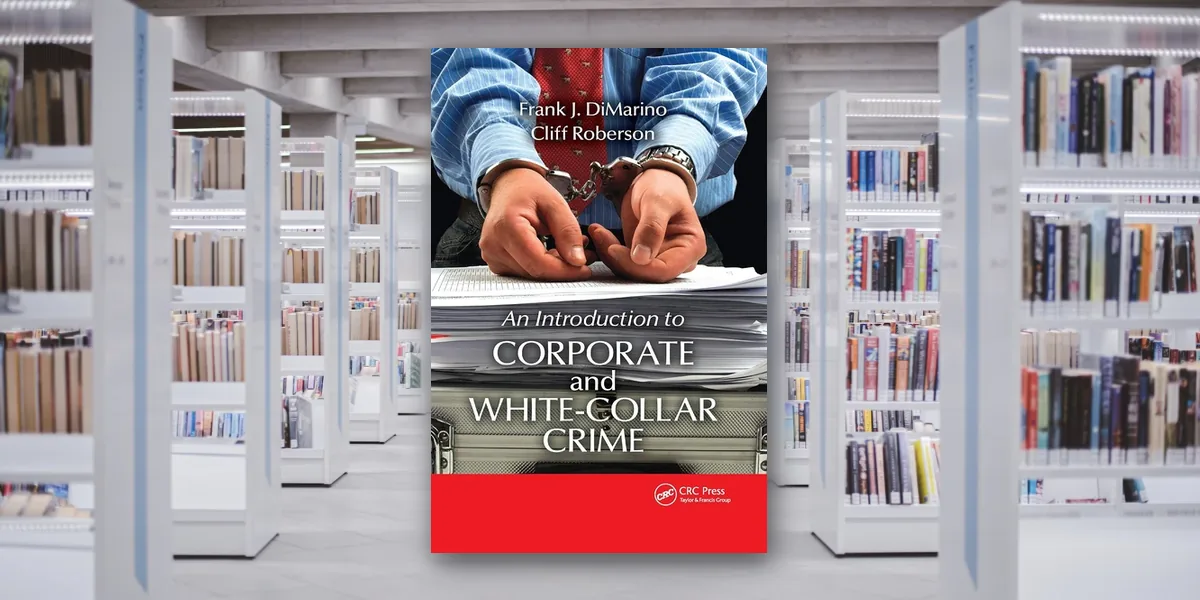
An introductory survey of white-collar crime - why it happens, the statutes that reach it, and what that implies for how you document decisions.

A practical guide for private equity sponsors responding to portfolio company concerns, covering oversight, investigation scope, evidence and remediation.
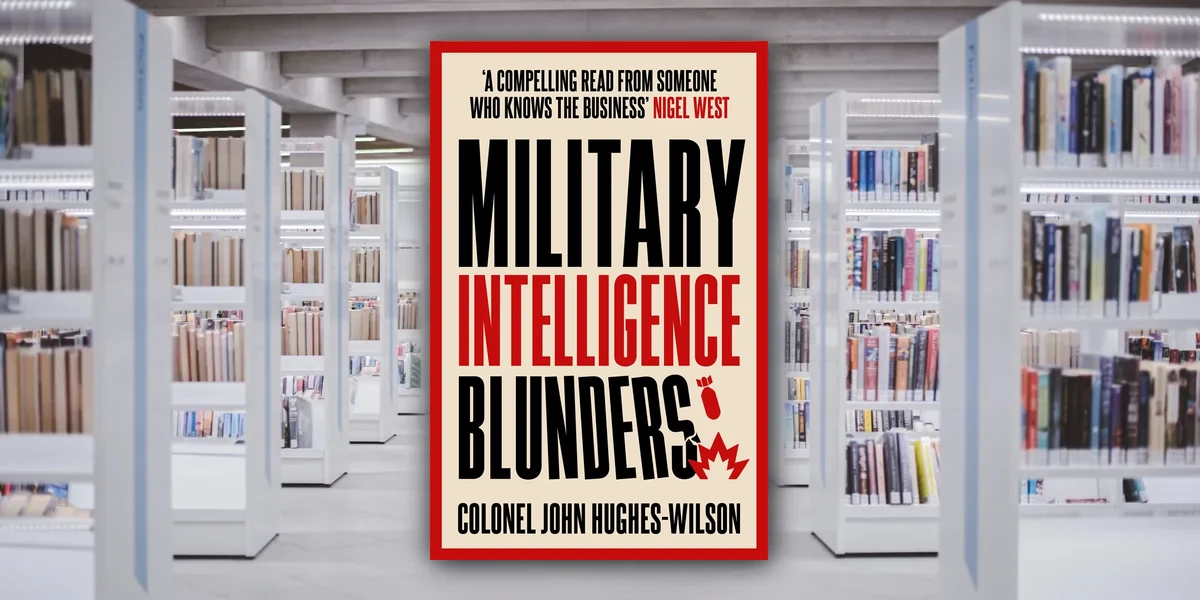
Review of Military Intelligence Blunders and Cover-Ups by John Hughes-Wilson: why warnings from Barbarossa to Iraq failed after they were collected.
How family offices can handle concerns involving family members or senior executives, with clear authority, independent review and documented findings.
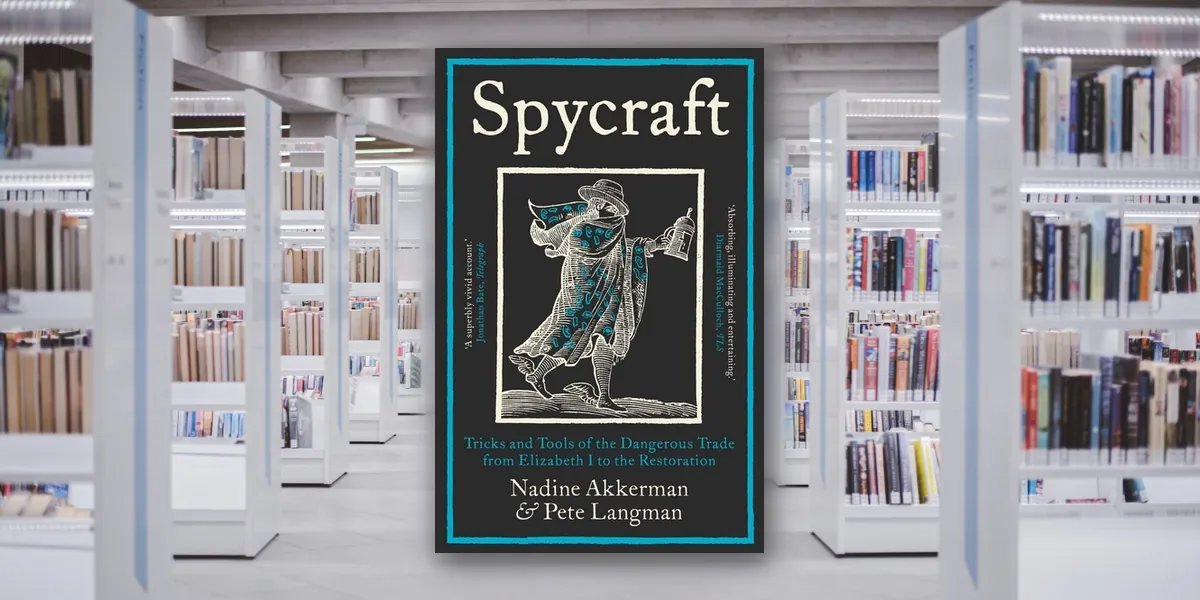
Nadine Akkerman and Pete Langman on early modern tradecraft - ciphers, invisible inks, seals and locks - and what the countermeasure cycle teaches risk teams.
FCPA enforcement priorities changed in February and June 2025. The law remained in force; obligations elsewhere still need separate assessment.
AIF interviewed Falcone International Founder Tobias Jaeger about executive cyber resilience, with related coverage in CFO.nl, AccountantWeek and FM.nl.
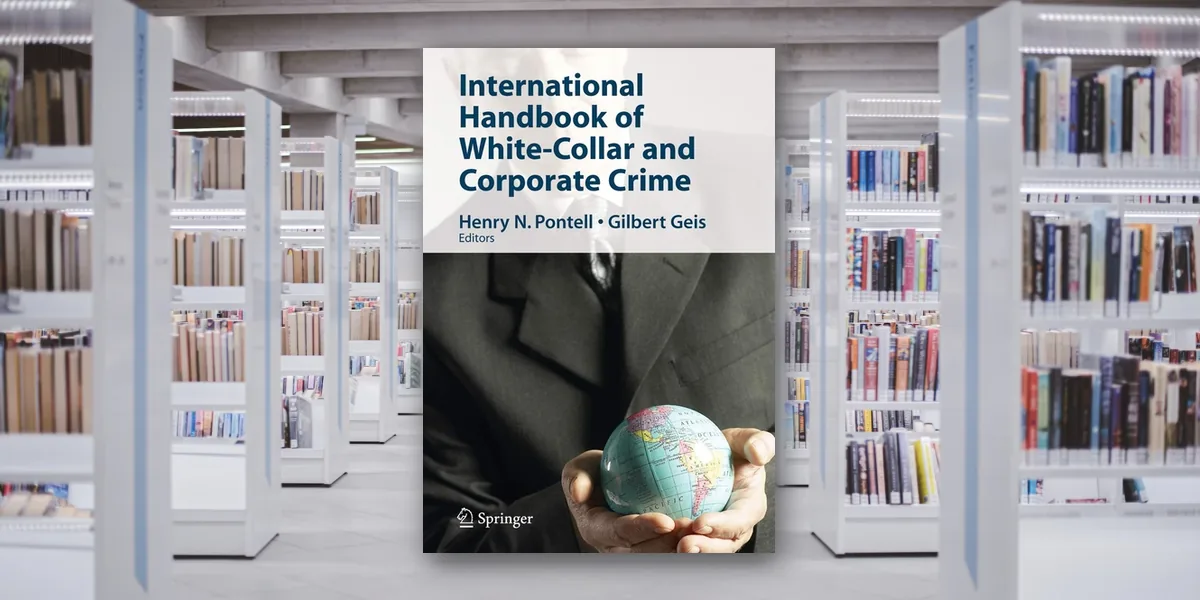
Pontell and Geis on how white-collar crime is defined, missed and under-punished across jurisdictions, and what that means for assessing your own exposure.
More than 900 people were prosecuted in cases involving Horizon. The scandal shows why system outputs, known defects and independent findings require proper scrutiny. Data is not evidence until someone checks it.
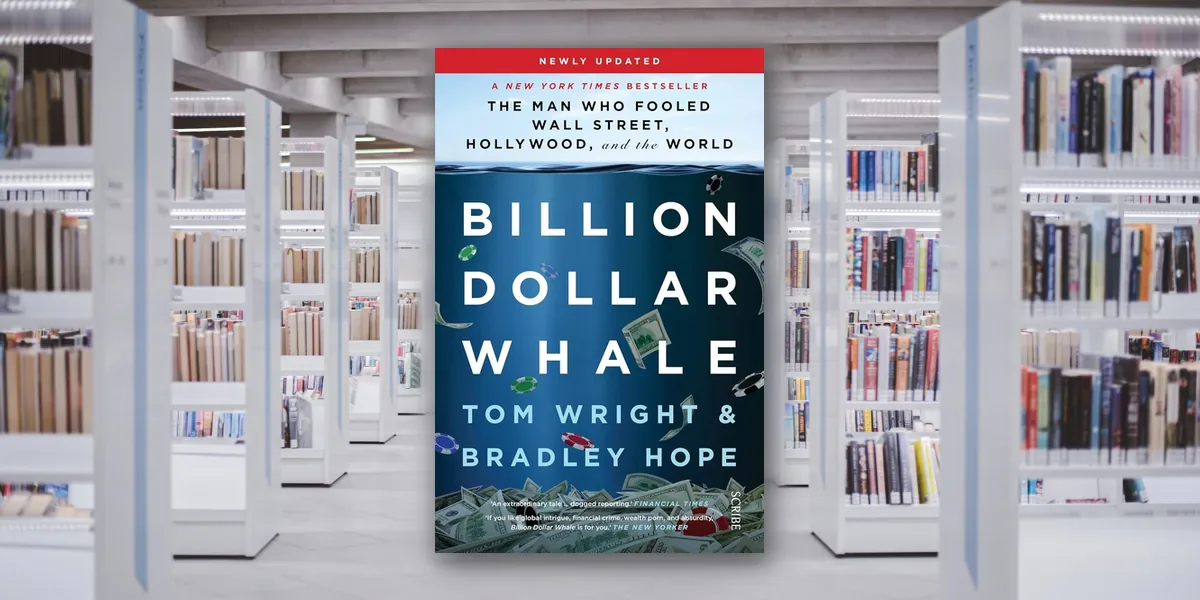
A summary of Billion Dollar Whale by Tom Wright and Bradley Hope: Jho Low, 1MDB, and the gatekeepers who took comfort from each other’s approval.
A security awareness company hired a North Korean IT worker using a stolen identity. How independent verification and access controls limit that risk.
Review of John Cassara’s Money Laundering and Illicit Financial Flows: trade-based laundering, hawala, and why wire-transfer-focused AML misses most of it.
Procurement can price a tariff. It cannot tell you how likely the next one is, which is the number that decides whether you move anything.
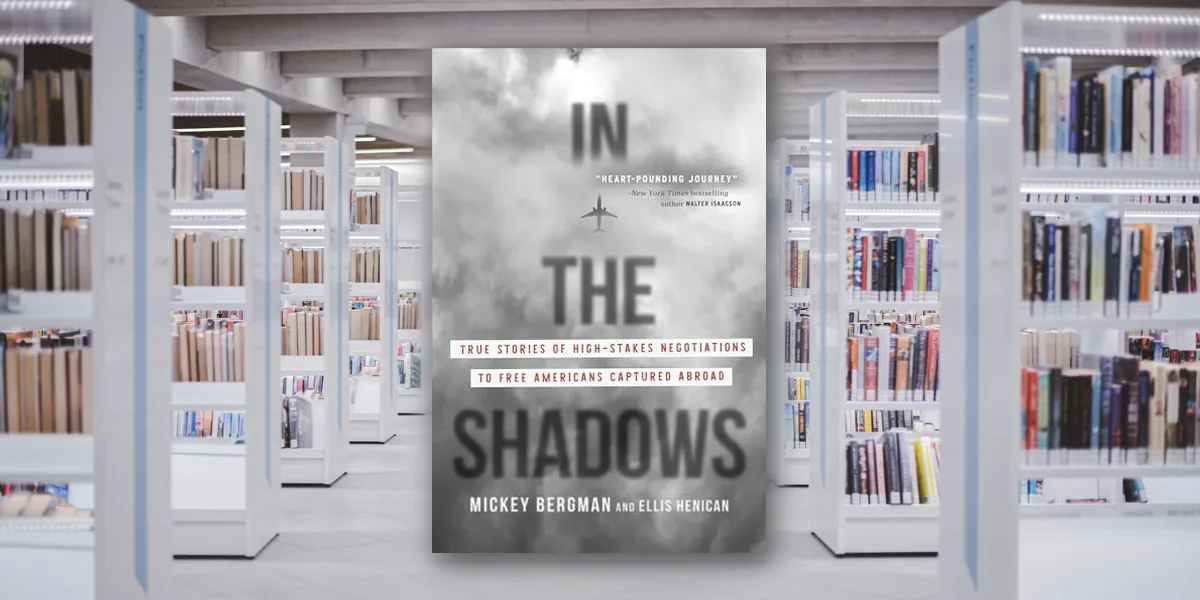
In the Shadows recounts unofficial negotiations to recover Americans held abroad, and the value and limits of working through intermediaries.
A supplier list is not a dependency map. The question is not who you pay, but what stops if they stop.
A summary of Doris Kearns Goodwin’s Team of Rivals: how Lincoln ran a cabinet of rivals, and why structural dissent works as a control for senior teams.
The stop-the-clock directive moved the reporting deadlines. It did not move the claims already published, which is what a regulator or a claimant reads first.
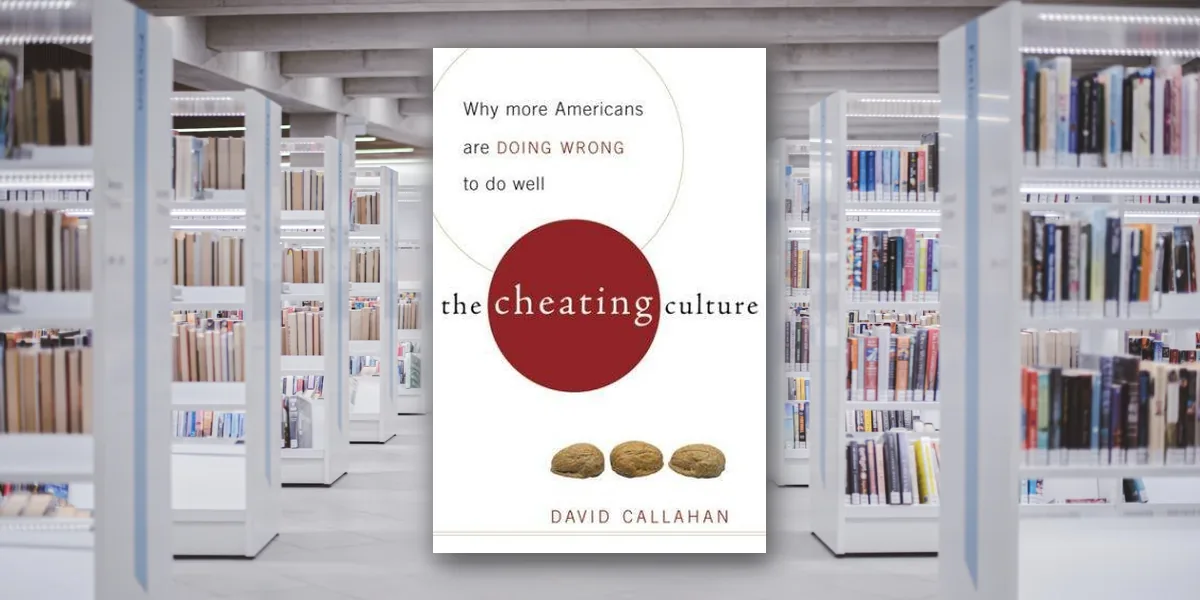
David Callahan argues misconduct follows incentives, not character. A structural read on why rules without enforcement fail inside organizations.
In February 2025 roughly $1.5 billion left a single exchange in one transaction. The tracing was straightforward; the recovery was the hard part.
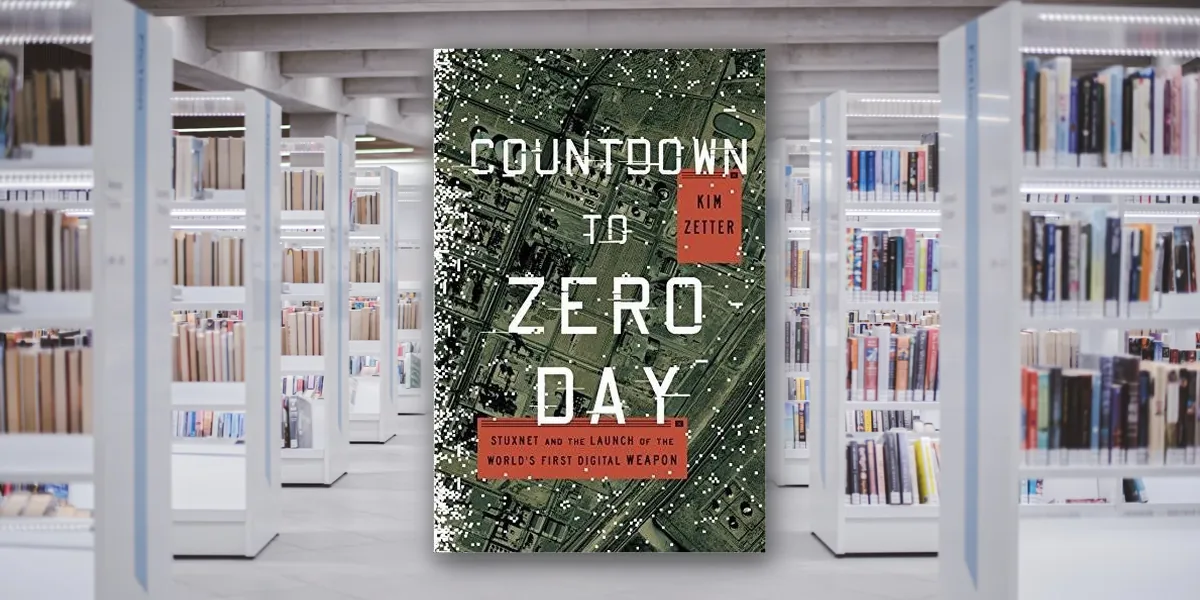
A summary of Kim Zetter’s Countdown to Zero Day: how Stuxnet crossed an air gap to damage Iran’s centrifuges, and the lessons for operational technology.
In April and May 2025 attackers disrupted Marks & Spencer, the Co-op and Harrods. At the first two, public accounts describe impersonation rather than a software flaw.
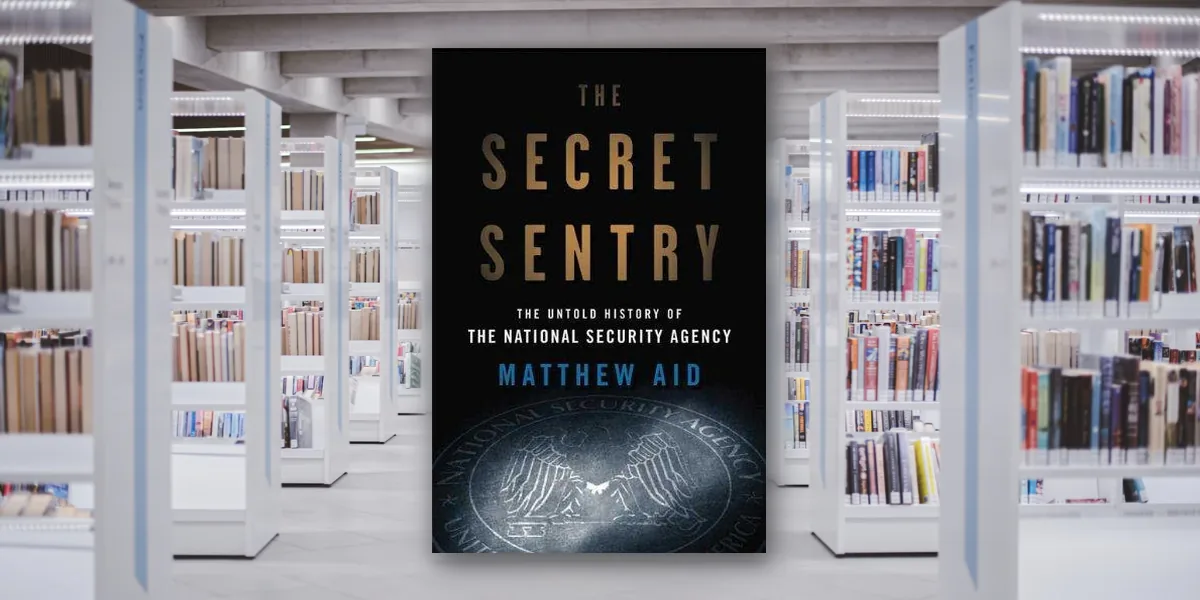
Matthew Aid's documentary history of the NSA shows why collection outruns comprehension - and what that means for monitoring, screening and blind spots.
The UK's failure to prevent fraud offense took effect on 1 September 2025. What the reasonable prevention procedures defense means for organizations.
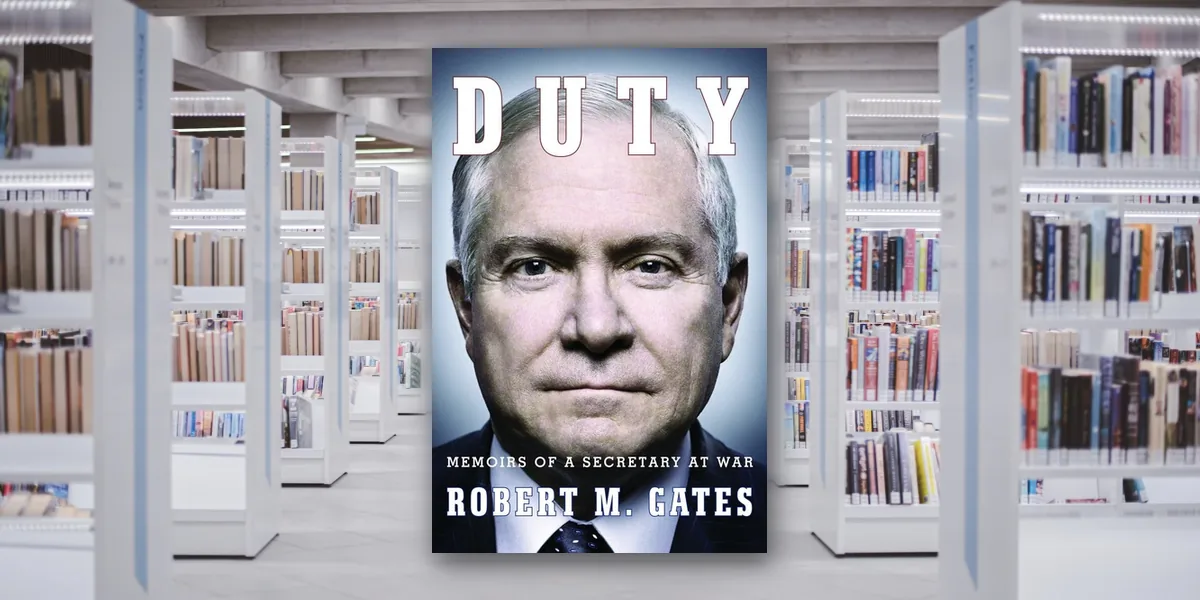
Robert Gates on running the Pentagon through two wars: institutional resistance to change, assurance that never reached him, and the human cost.
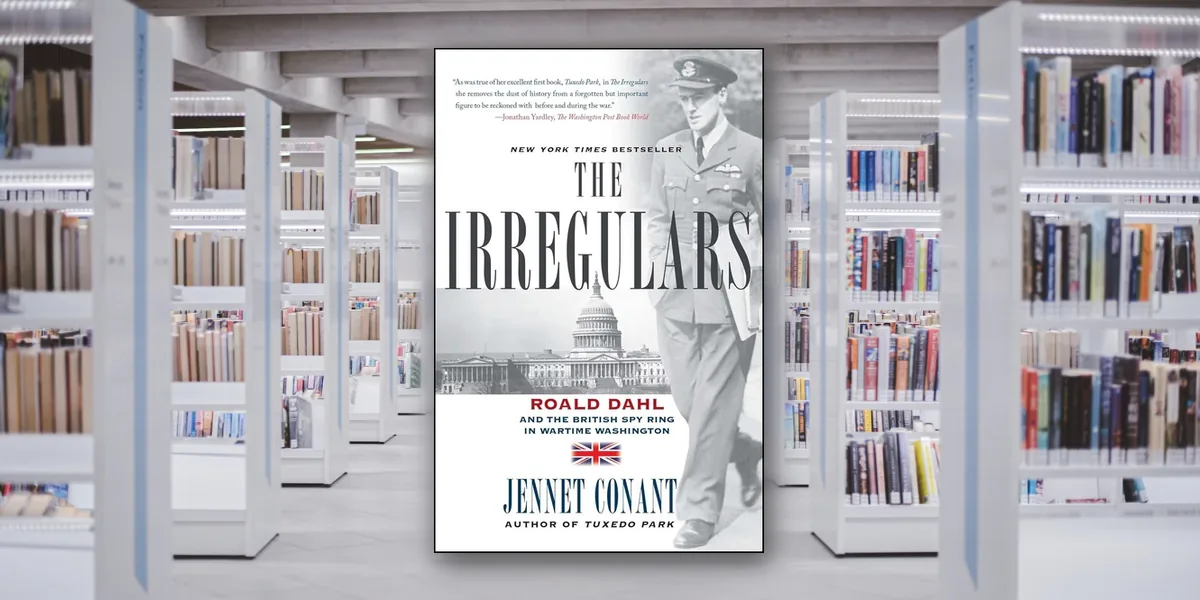
Jennet Conant on Roald Dahl and Britain's wartime influence campaign in Washington: a study in agents of influence, access and unwitting sources.
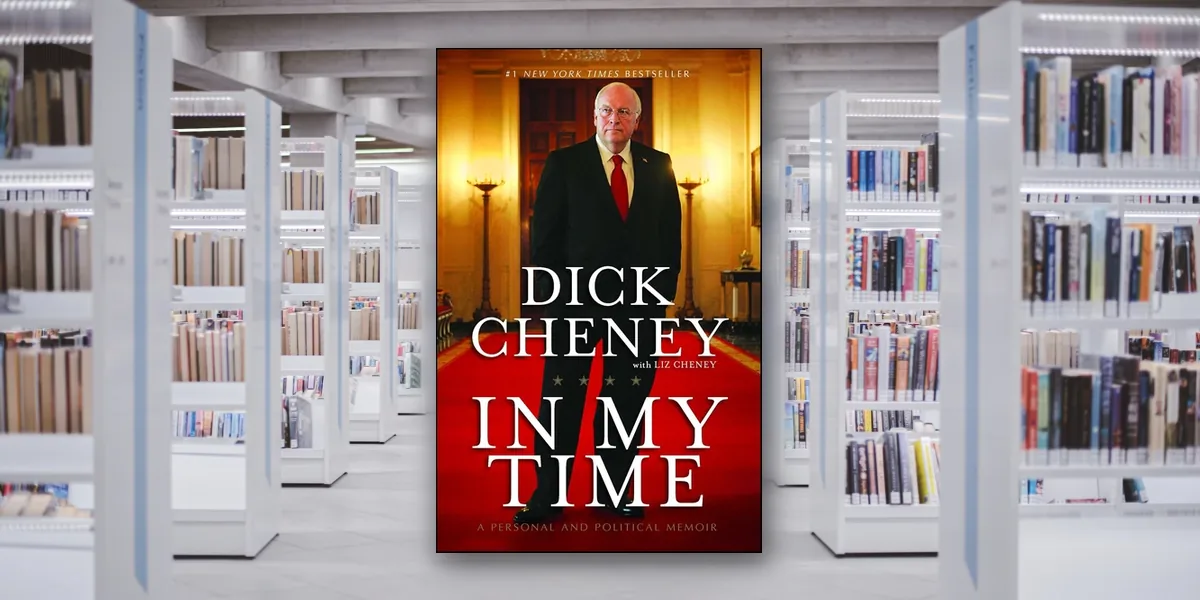
Dick Cheney's memoir read as a primary source: decision-making under uncertainty, executive power, and the institutions a crisis leaves behind.
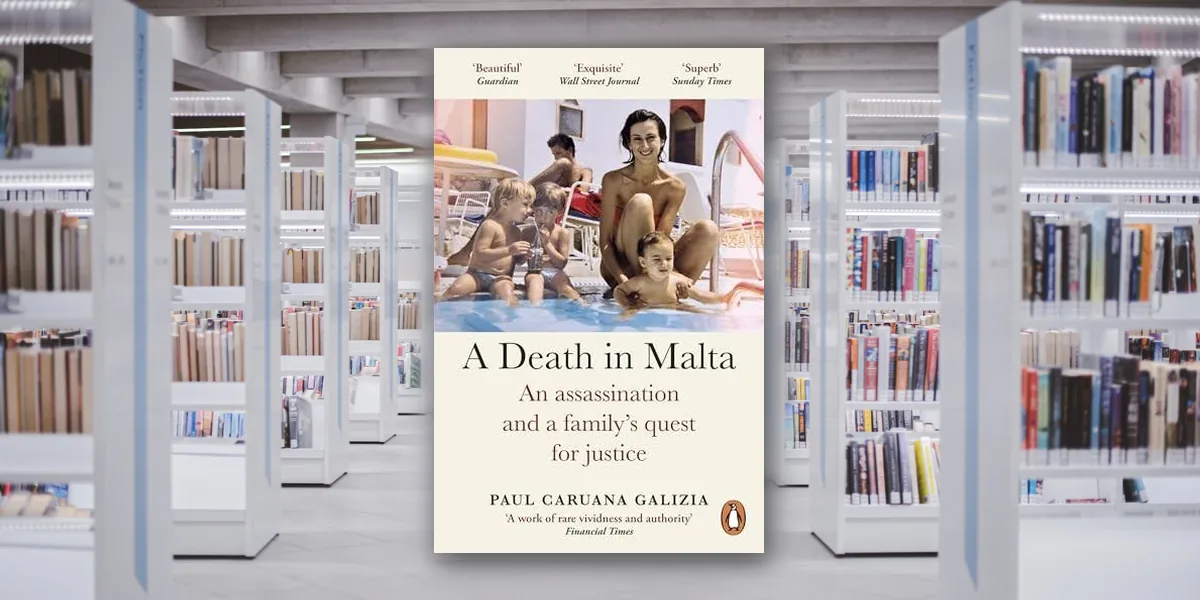
Paul Caruana Galizia's account of his mother's assassination is also a study of how an EU member state's institutions were hollowed out in plain sight.
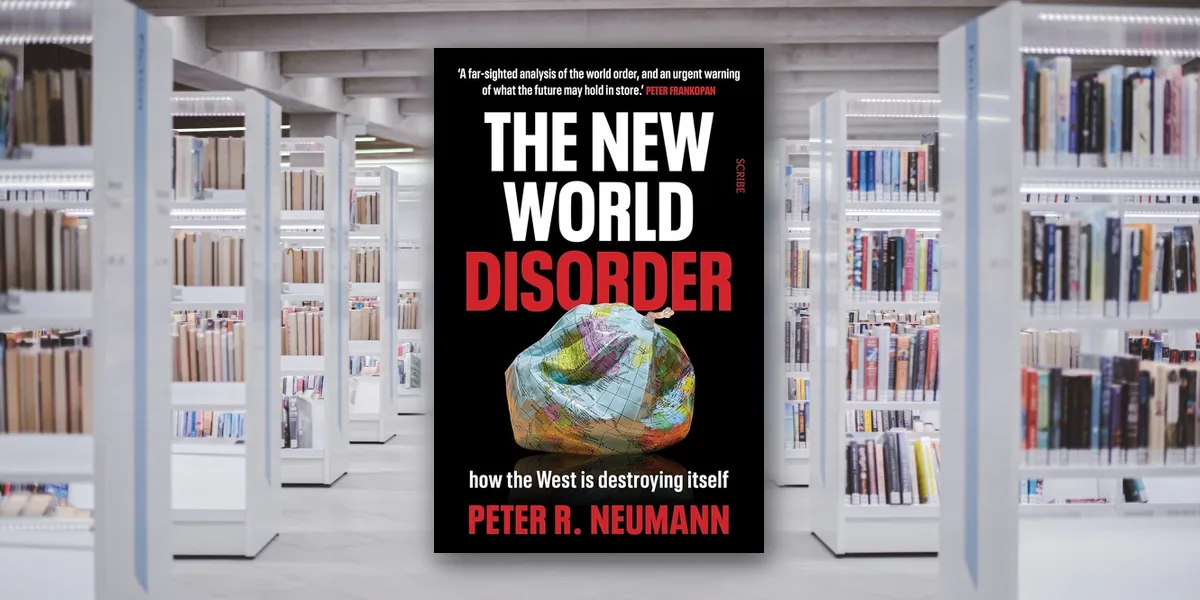
Peter Neumann argues the West squandered its advantage through naivete and arrogance. A sober read for organizations carrying cross-border political risk.
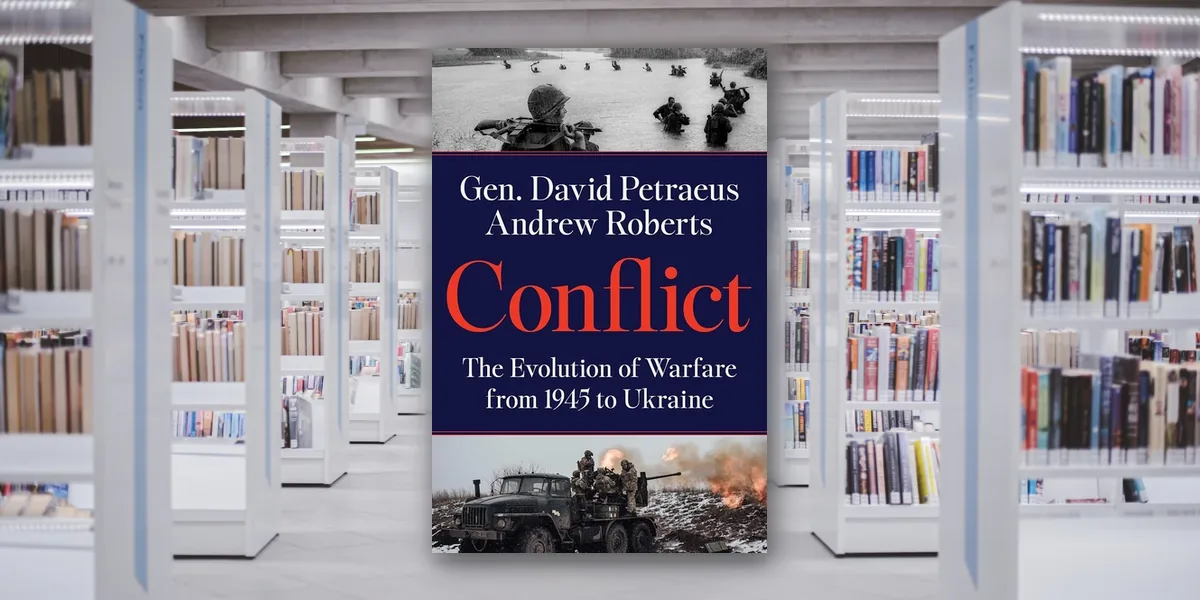
Petraeus and Roberts trace warfare from 1945 to Ukraine and show how leaders misread conflicts at the outset, and why adaptation decides outcomes.
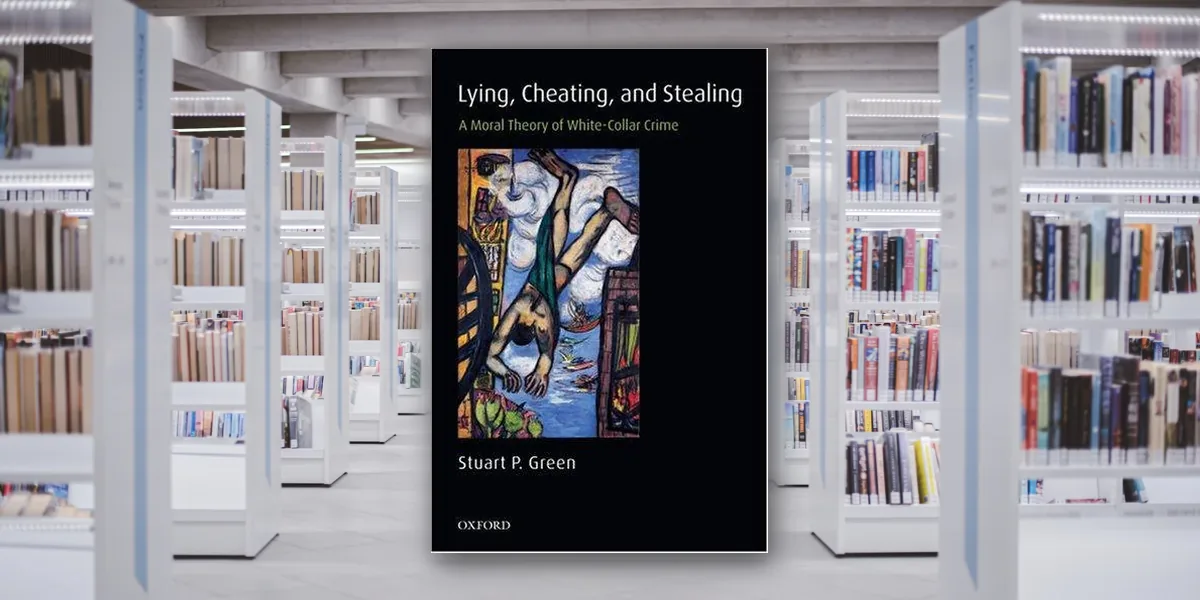
Stuart Green's moral theory of white-collar crime gives you the vocabulary for why conduct can be permitted and still seriously wrong. Legal is a floor.
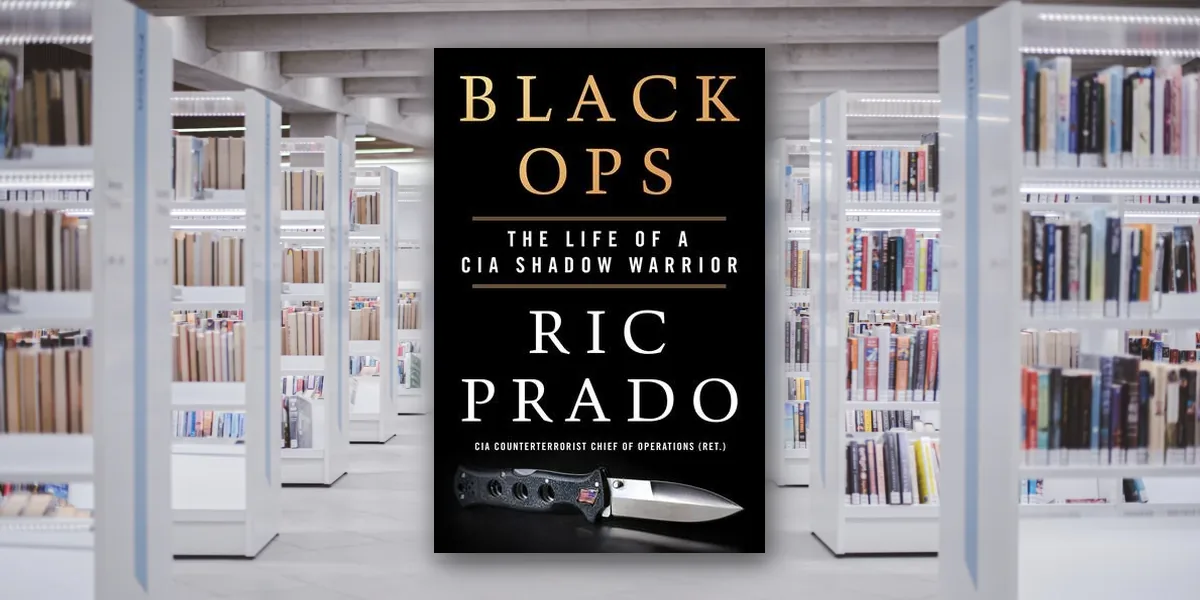
Ric Prado spent 24 years in the CIA, beginning in its paramilitary arm. Black Ops is a practitioner's account of vetting, contingency and compartmentation under real risk.
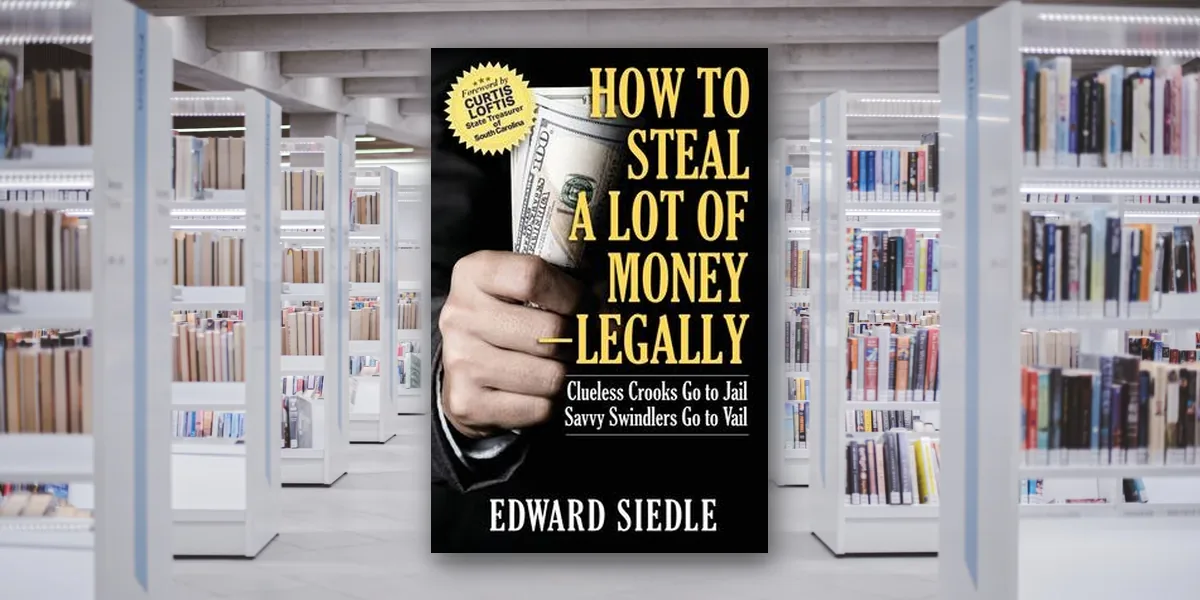
Edward Siedle’s provocative guide to investment scamming, read for investor protection: credentials, incentives and the claims worth checking.
Germany's former BND chief could not publish his memoir as planned. What he wrote instead argues regulation turned an intelligence service into a bureaucracy.
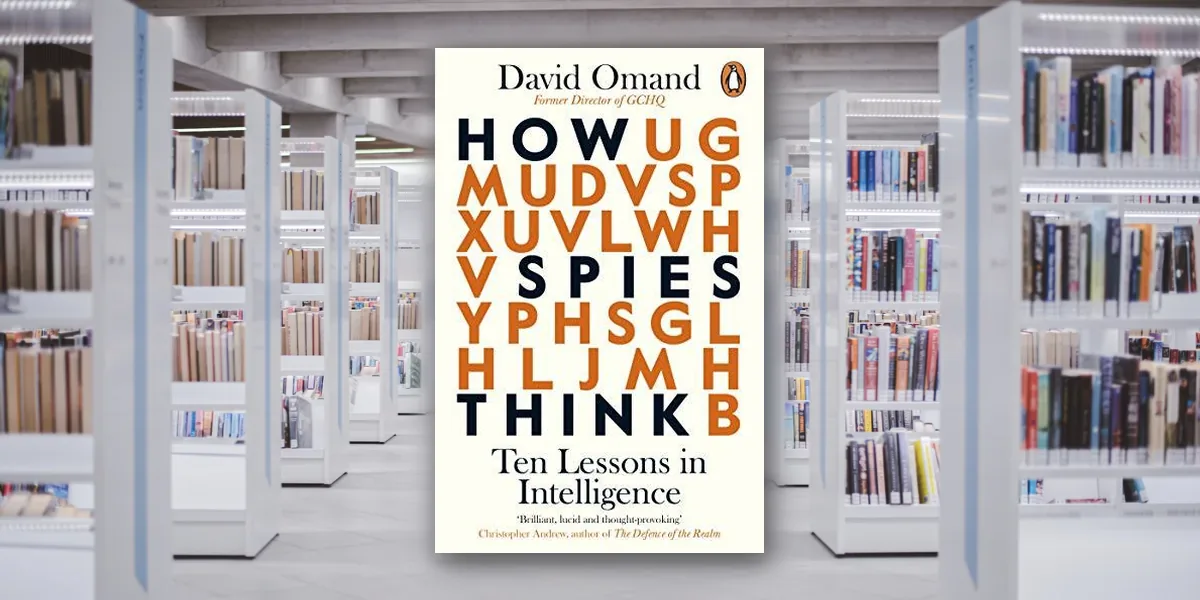
A summary of How Spies Think by Sir David Omand: the four-part analytic model, Bayesian updating and how deception is built, applied to risk decisions.
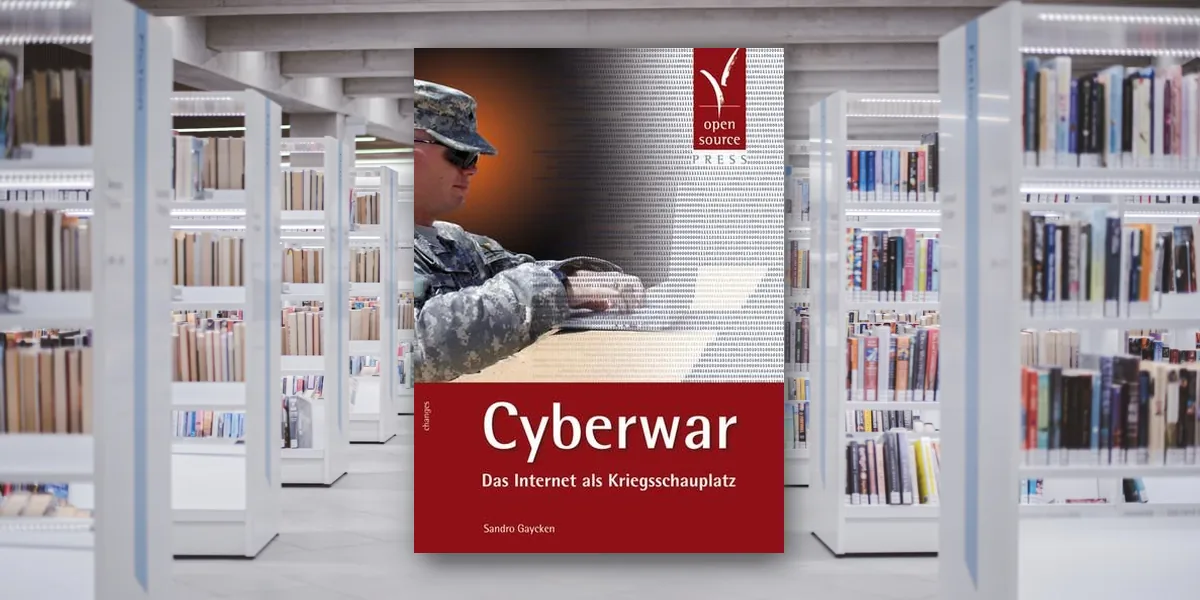
Sandro Gaycken's Cyberwar volumes bring a German perspective to cyber conflict, with lessons on industrial espionage for businesses built on technical knowledge.
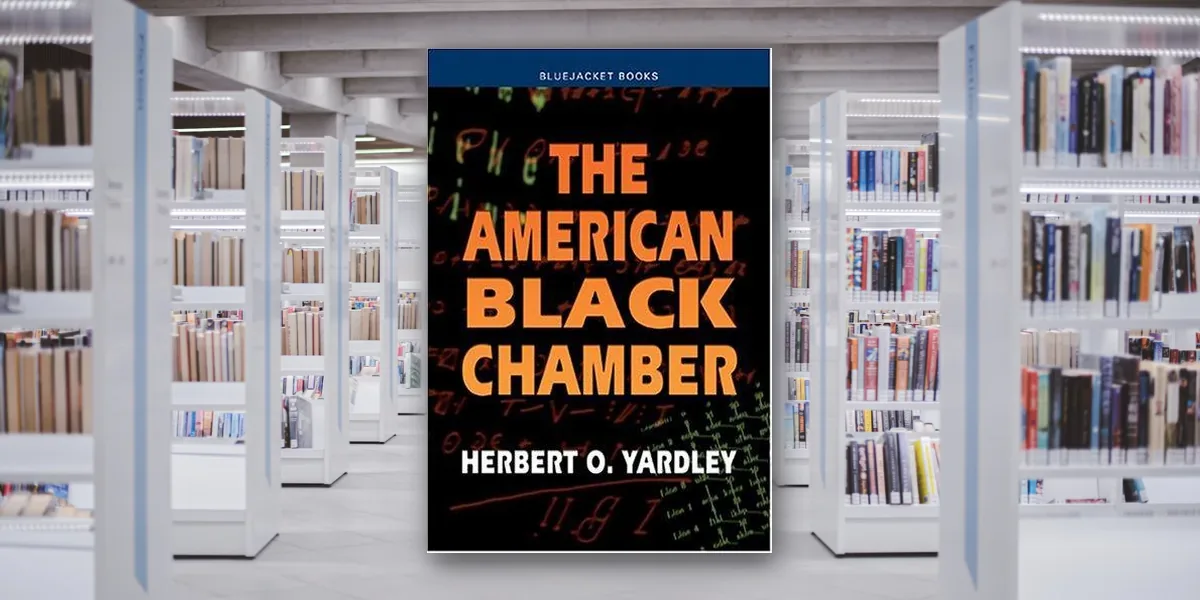
In 1931 a dismissed US codebreaker published what America had been reading. The American Black Chamber is the founding case study in insider disclosure.
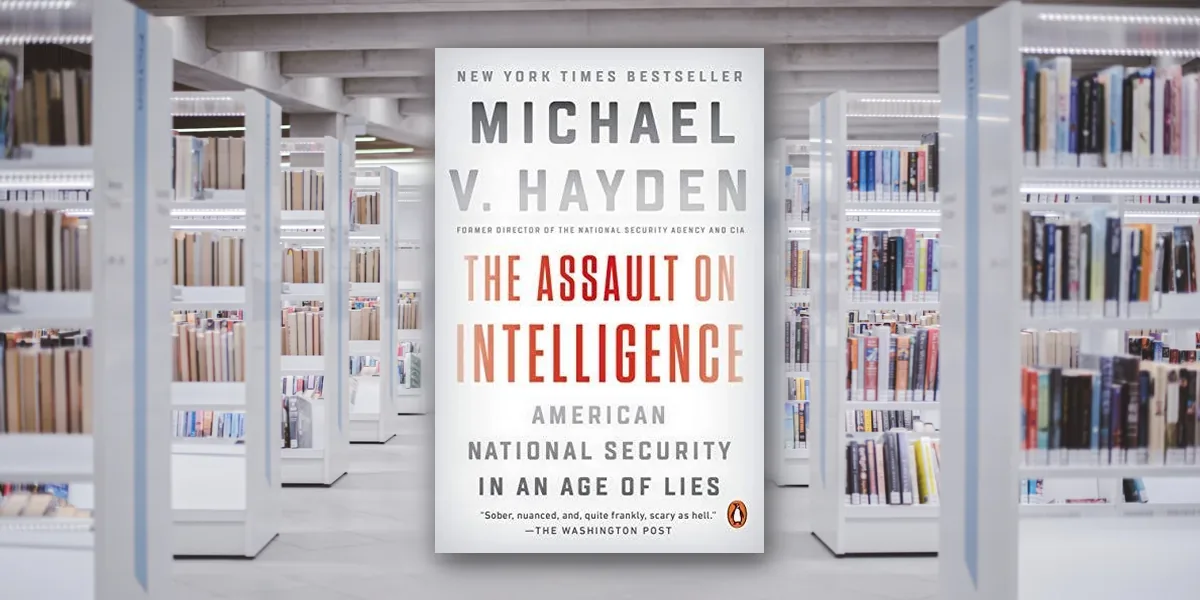
Michael Hayden's 2018 book reviewed: what happens when a well-sourced finding meets a recipient who does not want it, and why more evidence makes it worse.
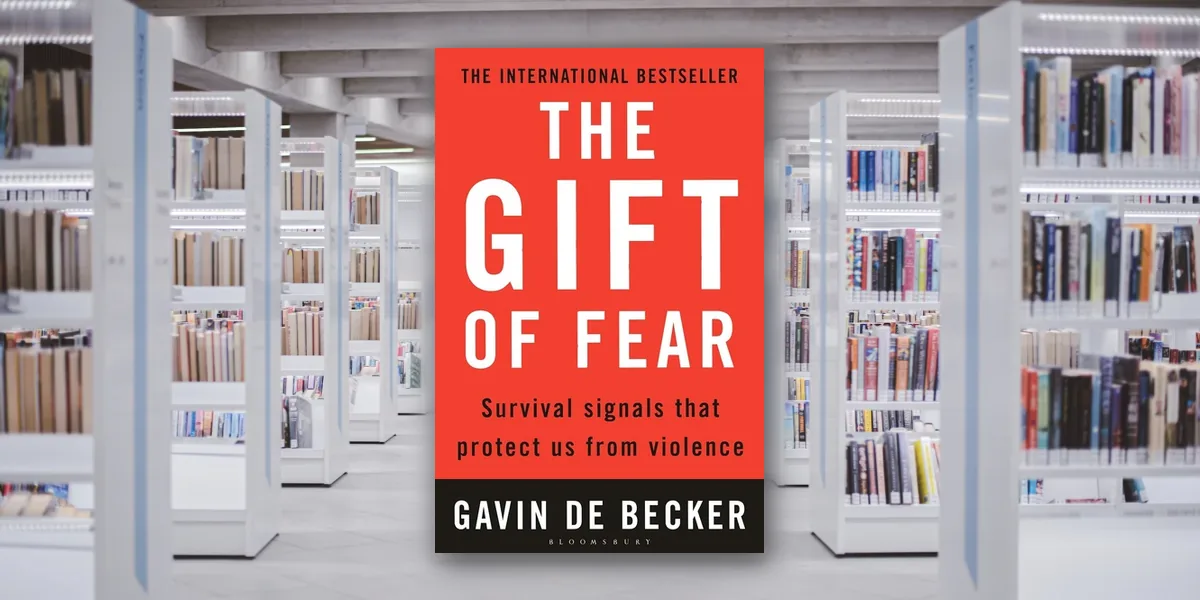
A summary of Gavin de Becker’s The Gift of Fear: pre-incident indicators, forced teaming and the unsolicited promise, read for due diligence and security.
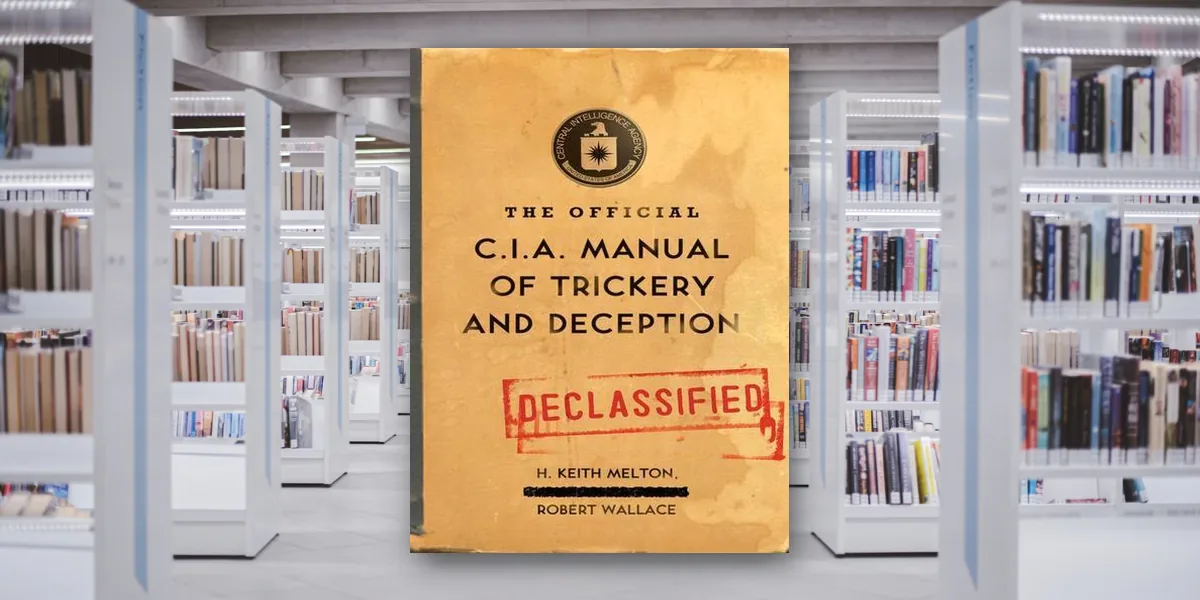
Summary of The Official CIA Manual of Trickery and Deception by Melton and Wallace, and why magician John Mulholland’s methods explain social engineering.
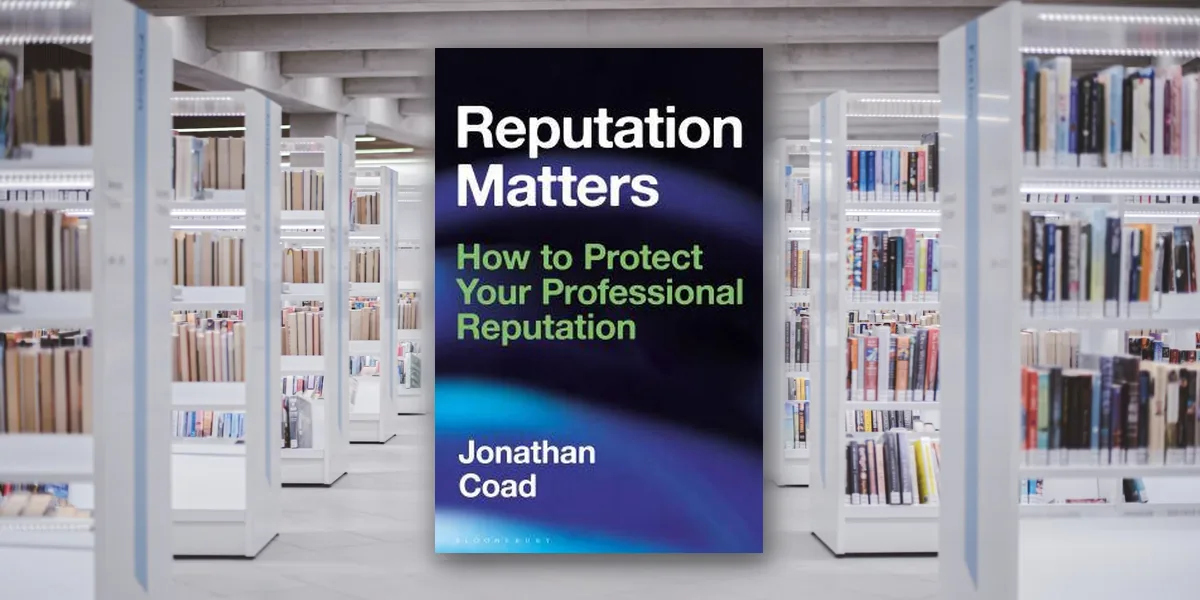
Media lawyer Jonathan Coad on protecting professional reputation: when to consider legal action, how to judge a response, and what to prepare before an attack.
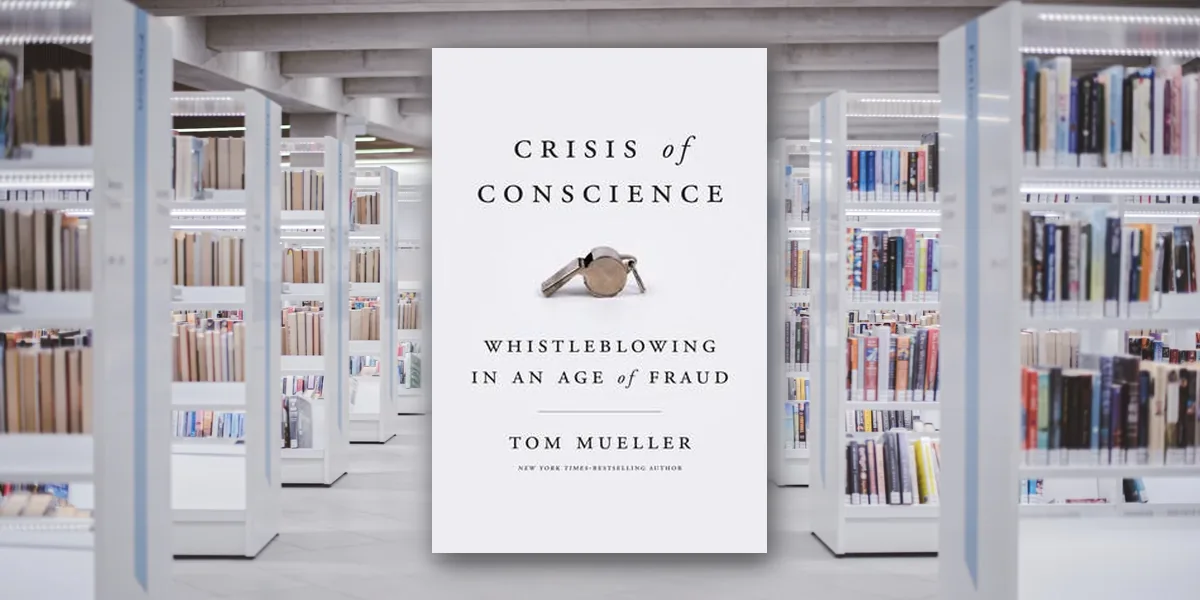
Tom Mueller's case studies of whistleblowing examine the consequences of speaking up and how organizations respond. Questions for boards on reporting controls.
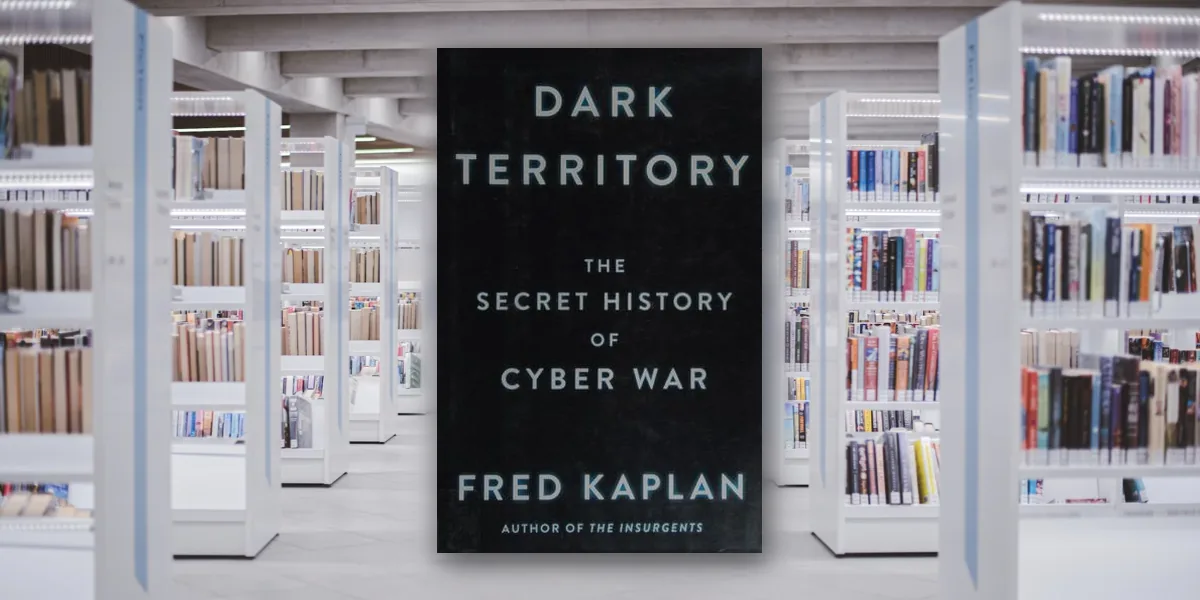
Fred Kaplan traces three decades of cyber warfare and finds the threat was flagged early, then filed. What that pattern means for your own risk reporting.
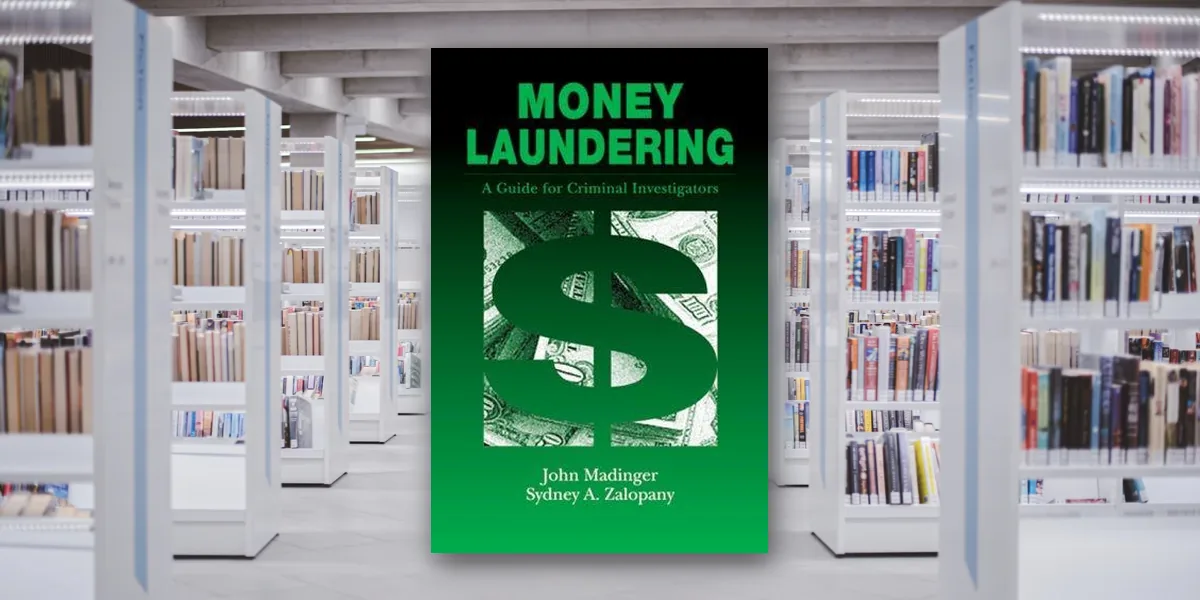
Madinger's manual for investigators, reviewed: placement, layering and integration, trade-based laundering, and the net worth method for unexplained wealth.
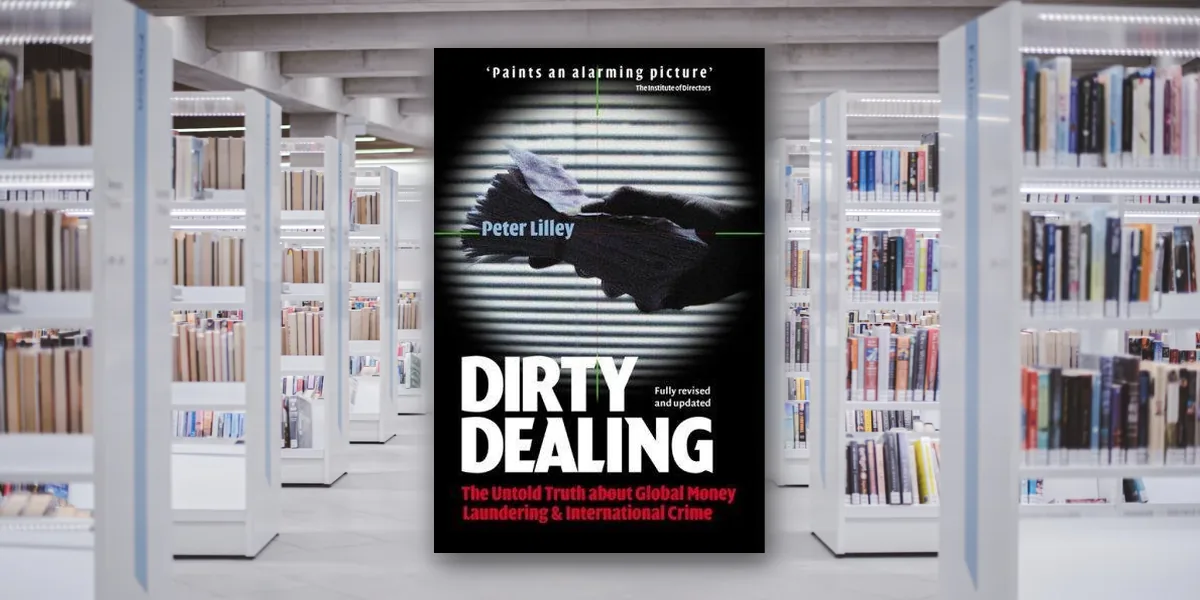
Peter Lilley's Dirty Dealing reads laundering as an industry — jurisdictions, enablers, typologies — and teaches you to read a corporate structure for intent.
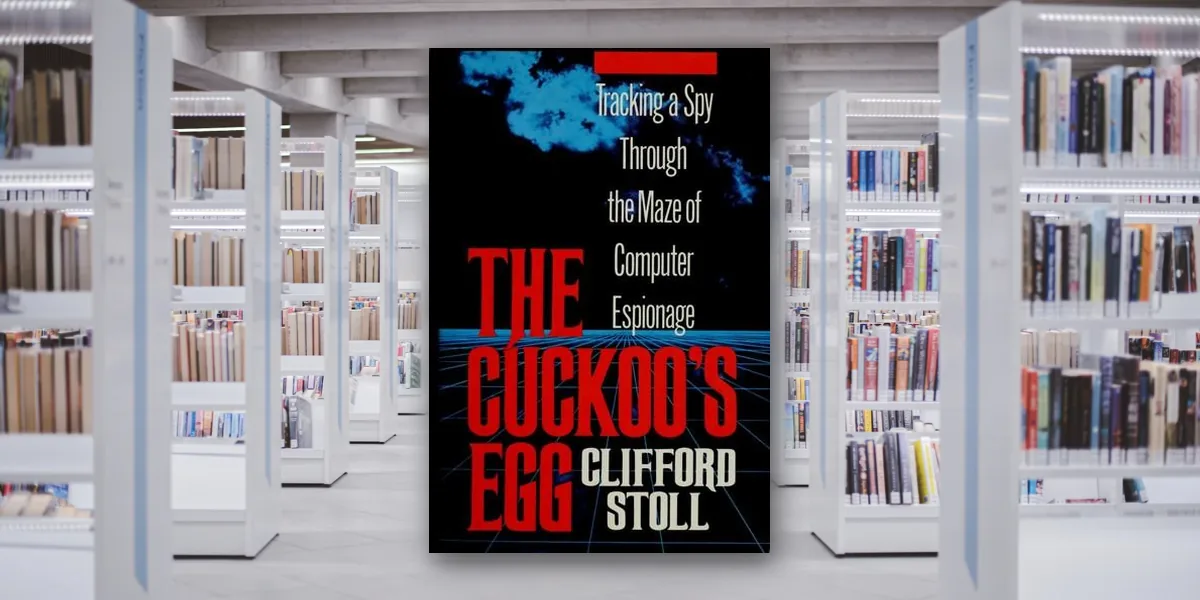
Summary of Clifford Stoll’s The Cuckoo’s Egg: how a 75-cent accounting discrepancy at Berkeley led to a KGB-linked hacker, and the method it still teaches.
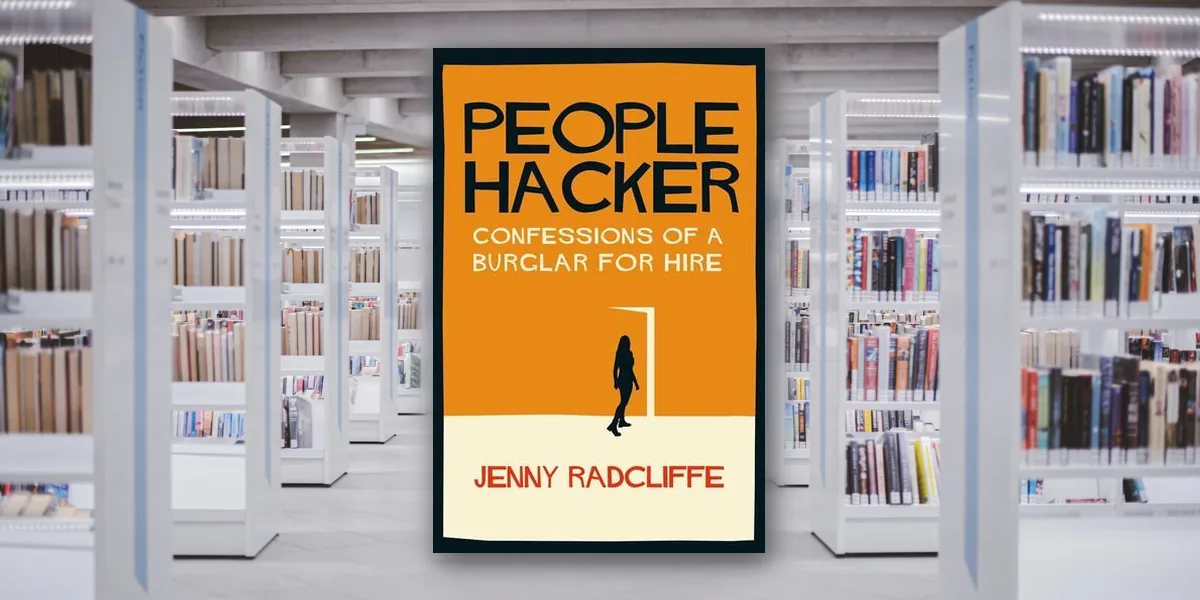
In People Hacker, Jenny Radcliffe describes a career in social engineering: how pretext beats barriers, and how to train staff to verify.
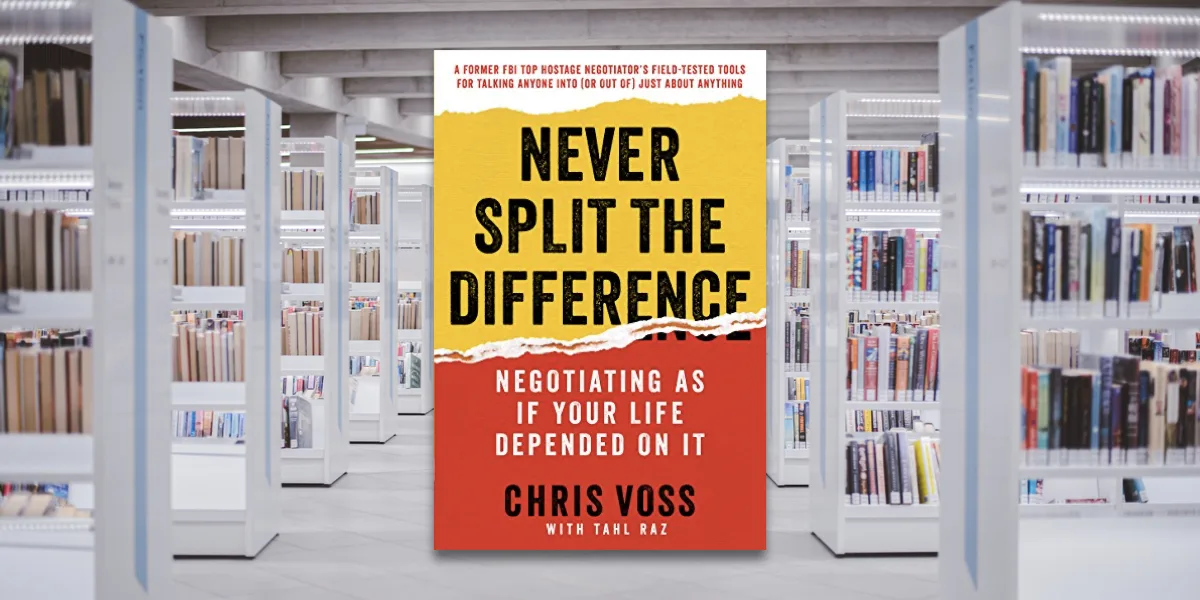
A summary of Never Split the Difference by Chris Voss and Tahl Raz: tactical empathy, mirroring, labeling, calibrated questions, and the FBI method behind them.
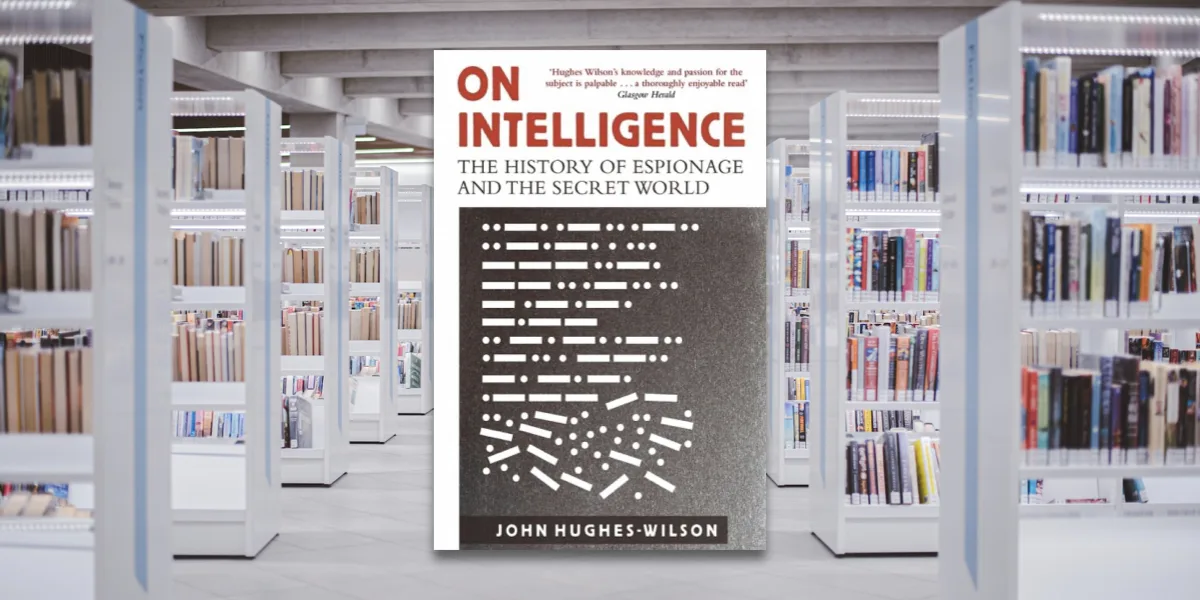
Review of On Intelligence by Colonel John Hughes-Wilson: espionage history built around the intelligence cycle, and why failures cluster at dissemination.
An economic storm poses risks, but businesses can recession-proof operations with risk and resilience management. Learn to navigate these looming downturns.
A former NSA inspector general and head of US counterintelligence on why cyber exposure is structural rather than a failure of controls.
What counterparty risk means, how it differs from credit risk, and how to verify a counterparty through due diligence before and after you sign.
Falcone International Founder Tobias Jaeger contributed to a July 2023 Forbes article on cyber threats facing family offices.
A summary of Henry Crumpton’s The Art of Intelligence: a CIA case officer on source validation, capability decay and the 2001 Afghanistan campaign.
Read about due-diligence pitfalls and deal-killers in deal-making and how to avoid potential disasters for family offices and family businesses.
ESG has moved from a reporting exercise to a due diligence question. Where the gap between stated policy and actual conduct opens, and how verification closes it.
How to scope pre-investment due diligence on managers, co-investors and ownership, assess evidence, and use findings before committing capital.
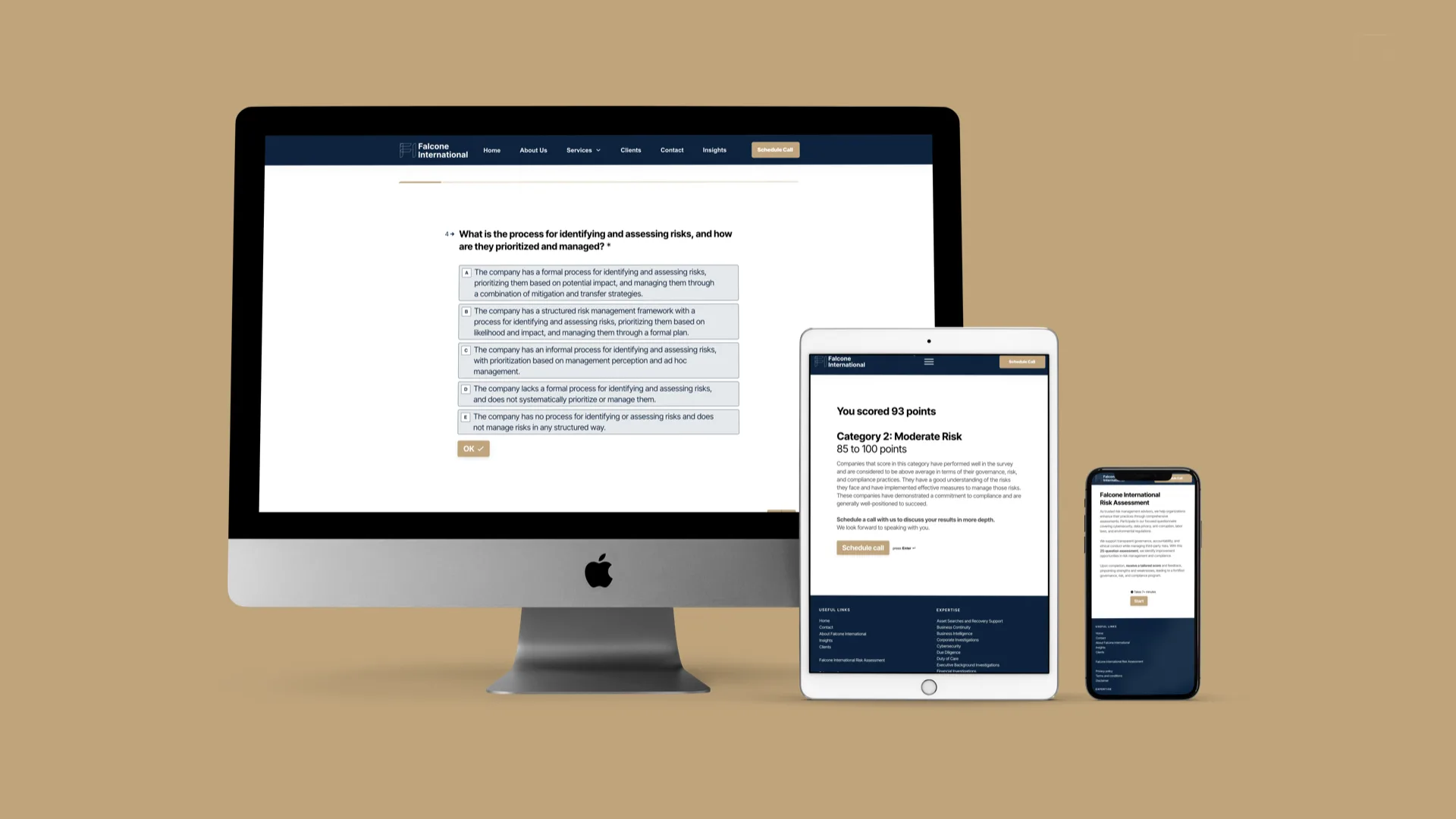
How to use FIRAv2, a free 25-question self-assessment: review your on-screen score, check the answers and discuss what needs further verification.
Spy the Lie summarized: former CIA officers Houston, Floyd and Carnicero on timing the first indicator, reading clusters, and the method’s limits.
FIRA v2 is a free 25-question self-assessment with an immediate on-screen score and area breakdown. Sharing results with Falcone for follow-up is optional.
An overseas counterparty overpaid a UK manufacturer, then asked for the surplus back. How we established what it was, why returning the money was the wrong move, and the warning signs any finance team can check.
An investment firm had capital on the table and a concern about its source. How three independent lines of inquiry converged, and the questions to ask before accepting anyone's money.
We explore the relevance of geopolitics for businesses of all sizes and the impact of trade, investment, regulations, risk management, and market opportunities.
A senior candidate came recommended by the company's own executives, with five business days to check. How we re-planned the method around the deadline, what we found, and what you can establish yourself first.
What executive background investigations can establish, how to assess records and references, and how to define a proportionate scope before a senior appointment.
The impact of social engineering attacks on businesses and learn best practices for protecting against them through employee training and technical controls.
Midsize businesses face complex security threats, including cyberattacks, insider threats, physical security risks, compliance & supply chain risks.
State-of-the-art strategies to mitigate deal execution risk, enhance governance, and protect private equity firms against internal and external threats.
Let Us Call you Back
By submitting this request you acknowledge having read and accepted our Privacy Policy, Terms of Use, and Disclaimer.