
Investigate the people and entities behind the deal
Falcone International supports investors, family offices and deal teams with pre-investment due diligence on businesses and their principals. The work examines relevant records, relationships and representations so the investment team can assess the evidence before committing capital.
The scope starts with your decision: what would change the investment, its terms or the work needed before closing? We agree the subjects, jurisdictions and priorities around that question, alongside the financial and legal work conducted by your other advisers.
Questions you might have
What an engagement can cover
- Entities and control: Available corporate records, ownership information, business interests and relationships that bear on the transaction.
- Principals and management: Career and qualification claims, business history and relevant regulatory or litigation records, subject to lawful access and reliable identity matching.
- Co-investors and conflicts: Connections, business associations and interests that may affect the proposed relationship or require further disclosure.
- Reputation and context: Relevant reporting and appropriately scoped source interviews, with claims checked against documents and other evidence where possible.
- Material dependencies: Questions about governance, suppliers or market exposure that need investigation or referral to the appropriate specialist.
For a manager-led investment, the brief can distinguish the manager's own record from that of a wider team and examine the parties around the structure. The relevant subjects and sources depend on the transaction; a standard database search cannot answer every question.

Corporate records and interviews can answer different questions about a proposed investment. Their value depends on the quality of the evidence and the limits of the agreed scope.
What to put in a pre-investment due diligence brief
Start with one claim that would change the investment decision. For example, a fund manager may attribute a series of exits to the current team. A useful brief identifies the exits, the individuals credited with them and the role each person says they played. It also names the date by which the investment committee needs an answer.
Separate what the deal papers establish from what needs corroboration. A record of a sale may establish that the exit took place. It leaves open who led it, when they joined the team and whether their responsibility matches the account given to investors. Those are distinct questions for documents and interviews. A finding that remains unresolved belongs in the decision paper with that qualification.
What you receive
The reporting scope is agreed at the outset. It should identify the findings relevant to your decision, their supporting sources and any material discrepancies that remain unresolved. Dates, jurisdictions and access limitations help the reader understand what the work establishes.
Where further inquiries are needed, the report should make those questions explicit. Your investment team and advisers can then decide whether to seek additional evidence, consider protections or change the transaction. A report does not guarantee an investment outcome or establish the absence of all undisclosed interests or liabilities.
How the engagement runs
Work can be phased around the investment timetable: establish the initial priorities, examine the relevant entities and people, then assess findings before the decision. We discuss what is achievable within the available time and which questions may need a longer investigation.
Agreeing the questions and reporting points at the outset helps the investment team use the findings while there is still time to respond.
Questions about commissioning the work
How does investigative diligence differ from financial diligence?
Financial advisers examine accounts, performance and valuation assumptions. Investigative work examines the entities, people and representations around the transaction. The findings can inform each other, but one workstream does not replace the other.
Can you establish that there are no hidden liabilities?
No investigation can guarantee that every undisclosed obligation has been found. The useful distinction is between a supported finding, a question requiring further documents and a limit in the available evidence.
When should we start?
Start scoping when the transaction and decision criteria are sufficiently clear to identify the priority questions. Agree phases and reporting dates before relying on the work for a closing decision.
What should we bring to the first discussion?
A short description of the transaction, the subjects and jurisdictions, your decision date, the principal concerns and the checks already undertaken. We can discuss an appropriate way to provide documents after the initial scope is understood.
Our guide to checking the people behind an investment includes a practical briefing checklist. Depending on the question, related work may include executive background investigations, financial investigations or political-risk assessment.
Get in touch about Pre-Investment Due Diligence
Let us talk about your Pre-Investment Due Diligence needs. We are here to help and are happy to give a non-binding and confidential assessment of your case and course of action. Contact Falcone International today for expert assistance.
Further reading
Selected from our Book of the Month series for their bearing on this service.
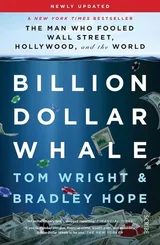 Billion Dollar Whale
Blue-chip investors, a sovereign-fund halo and a story that outran every check — 1MDB is the canonical failure of pre-investment verification. It is most valuable read as a list of the specific moments where somebody could have asked one more question.
 How to Steal A Lot of Money — Legally
Siedle’s provocative guide approaches investment scams from the would-be swindler’s side. Its treatment of backgrounds, fees and reported performance offers questions to take into manager due diligence.
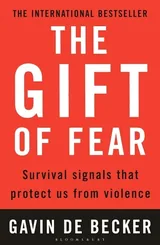 The Gift of Fear
De Becker’s core claim is that people usually register the warning before they can justify it, and then override themselves. In investment decisions that override has a price, and this is the book that makes the case for pausing instead.