
Most executives treat reputation as weather — something that happens to you, best managed by hoping it does not.
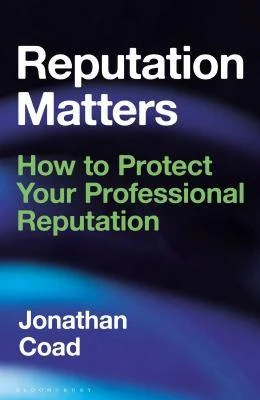
Jonathan Coad spent decades as a media lawyer acting for people whose reputations were under active attack, and his position is the opposite. Reputation is a defensible asset with identifiable threats, established legal protections and a set of things you can do before, during and after an attack. Most of the damage he saw was avoidable, and was made worse by the response.
What the book actually covers
Coad's method is preventive first. A substantial part of the book is about what to do before anything happens: understanding what actually threatens a reputation, what records and relationships need to exist in advance, and how to structure communications so that they do not become the evidence against you later.
The legal material is the specialist core. Coad works through the UK position on defamation, privacy and the practical remedies available, and — more usefully — on when to deploy them and when not to. His recurring warning is that legal action is frequently the wrong instrument: it amplifies the allegation, extends its life, and converts a story about the original matter into a story about the response. Knowing which threats to litigate and which to absorb is the actual skill.
He is good on the mechanics of the modern attack. Allegations no longer arrive through a single channel that can be negotiated with; they propagate across media, social platforms and search results simultaneously, and search persistence means the record outlives the news cycle by years.
The crisis chapters are practical: what to do in the first hours, why the instinct to respond immediately is usually wrong, and how to distinguish between allegations that require rebuttal and those that require silence.
Why it matters for your risk posture
Read it for the pre-positioning argument. Coad's central claim is that reputational defense is largely built before it is needed — in what has been documented, what relationships exist, and what has been thought through in advance. That is precisely the case for doing background and integrity work proactively rather than reactively.
Read it for the litigation judgment. The reflex to sue is the most common and most expensive error in reputational management, and Coad — a lawyer who has made his living acting in these matters — is unusually direct that the remedy frequently costs more than the injury.
And read it as the counterpart to investigation. Falcone's executive background and due diligence work exists partly to surface reputational risk before it attaches to a client. Coad describes what happens when it is not surfaced in time, which is the argument for surfacing it.
Key takeaways
- Reputation is defensible, not weather. The threats are identifiable and the preparation is real work that has to happen in advance.
- The response usually causes more damage than the event. Litigation amplifies, extends and reframes the allegation. Choose the instrument deliberately.
- Search persistence outlives the news cycle. The modern reputational injury does not decay the way it once did, which changes the calculation on responding at all.
- The first hours set the trajectory. The instinct to respond immediately is usually wrong, and the discipline to wait is the hardest part.
About the author
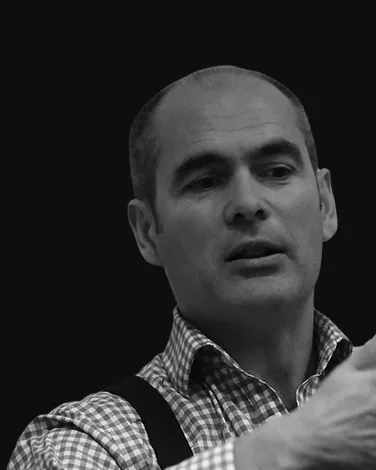
Jonathan Coad is a British media and reputation lawyer, formerly a partner at Schillings and at Lewis Silkin, who has practiced for decades in defamation, privacy and reputation matters, representing individuals and organizations facing media scrutiny and public allegation. He has been a prominent commentator on UK press regulation and media law.
Reputation Matters: How to Protect Your Professional Reputation is written from that practice — a practitioner setting out what he has watched succeed and fail, with particular attention to the errors clients make before instructing anyone.
Where the proceeds go
We donate 100% of what we earn to Children of Fallen Heroes
If you buy through the link above we may earn a small commission, at no extra cost to you. Every penny of it goes to Children of Fallen Heroes, a registered 501(c)(3). We keep none of it.
They run an 82-acre campus for the children of military families, first responders and foster youth — STEAM education in aviation, robotics and drones, alongside leadership and healing programs. More than 15,000 young people and families have been through it in eleven years.
We participate in the Amazon Services LLC Associates Program and similar affiliate programs; these relationships do not influence our recommendations. Cookies and similar technologies record interactions with affiliate links — see our Privacy Policy to disable them, or reach us via Contact.